Posted on Leave a comment

Automatic Pet Feeders and Water Dispensers: A Buying Guide

Smart WiFi automatic pet feeder, front view of the unit

If you’ve ever come home to an empty water bowl, fed your cat at 6am only to leave for a 12-hour shift, or wondered whether your dog is getting fed on time when you’re stuck in traffic, you’ve probably looked at automatic pet feeders and water dispensers. They range from a $14 gravity bowl to a $220 WiFi-connected unit with a built-in camera, and the right choice depends entirely on what problem you’re actually trying to solve.

This guide breaks down the real differences between feeder types, what each one is actually good at, and how to match one to your household — using PawNest’s actual feeding lineup so you can see real features and prices rather than generic advice.

Why people switch to an automatic feeder or water dispenser

Automatic feeding gear solves a handful of distinct problems, and it’s worth being clear about which one you have before you buy:

  • Irregular schedules. Long shifts, commutes, or travel can mean meals happen late or get skipped.
  • Multiple pets on different diets. Portioned feeders help keep one pet from eating another’s food.
  • Water that runs low or gets stale. A pet home alone all day can run out of fresh water by the afternoon.
  • Wanting to check in remotely. Some feeders let you see and feed your pet from your phone.

None of this replaces a consistent daily routine or a pet sitter for longer absences — it’s about closing the gaps in a normal day.

Automatic dry food feeders

PawNest carries two very different automatic feeders, and the gap between them is a good illustration of what “automatic” can mean in practice.

Smart WiFi feeders with app control

The Smart WiFi Automatic Pet Feeder with App Control is the most fully-featured option in the catalog. It comes in three versions — a button-operated Key version, a WiFi-connected App version, and a Video version with a built-in camera and night vision. The App and Video versions connect to a 2.4GHz WiFi network through the Smart Life app, so you can set a feeding schedule, trigger a manual feed, or (on the Video version) check in on your pet from your phone.

Practically, this matters most if you want feedings to happen on a schedule whether or not you’re home. The 6-liter tank is sized for weeks of continuous feeding, and it ships with desiccant packs to help keep dry food from picking up moisture. Worth noting before you order: the App and Video versions need a 2.4GHz network specifically — if your home WiFi is 5GHz-only, the Key version is the one that will work without any network at all.

Simple viewing-window feeders

At the other end of the spectrum, the Automatic Cat Feeder with Clear Viewing Window is a straightforward feeding station with a window built into the side so you can see the food level without opening it. It doesn’t schedule feedings or connect to an app — it’s designed for cats and works more like a large-capacity bowl than a programmable device, which is often exactly what a single-cat household actually needs. It’s available in grey, pink, or blue.

Automatic water dispensers

Water is arguably the easier problem to solve automatically, since it doesn’t need scheduling logic — it just needs a reservoir bigger than a standard bowl. The Automatic Pet Water Dispenser for Cats & Dogs is a plastic reservoir-and-bowl unit suitable for both species, available in blue, pink, green, or grey, and in either a feeder-style or water-bowl-style design. It’s a good fit if your main issue is a water bowl that’s dry by the time you get home, rather than food timing.

All-in-one feeder and water combo units

For cat owners who want to simplify a feeding station down to one object, the Automatic Cat Feeder & Water Dispenser Set combines a food bowl and a 1500ml water reservoir in one compact double-bowl unit. It’s worth being clear-eyed about what this one is: it’s a stationary feeding station, not a scheduled or portion-controlled feeder — the manufacturer doesn’t specify automatic portioning or powered operation, so treat it as a larger-capacity bowl setup rather than a WiFi feeder. That’s not a downside if what you actually want is fewer bowls to wash and refill; it’s just a different category of product than the WiFi feeder above.

How to choose the right one for your home

  • If you need feedings to happen on a schedule, whether or not you’re home: the WiFi or Video version of the smart feeder is the only option here that actually does that.
  • If you just want to see food levels without opening anything: the viewing-window feeder is simpler and far cheaper.
  • If your problem is water, not food: the water dispenser solves that specifically, in either dogs-and-cats or cats-only households.
  • If you have one cat and want to cut down on dishes: the combo feeder-and-water set is the most compact option, as long as you don’t need scheduling.
  • If you have multiple pets: a single automatic feeder generally can’t stop one pet from eating another’s portion — you may still need separate stations or supervised feeding times.
  • Check your WiFi band before buying an app-connected feeder. The smart feeder’s App and Video versions require 2.4GHz specifically.

FAQ

Do automatic feeders work for multiple pets?

Not reliably on their own. None of these units are built to recognize which pet is approaching, so a faster or pushier pet can still eat more than its share. If you have multiple pets with different diets, plan on separate feeders or supervised mealtimes rather than relying on one shared unit.

Do I need WiFi for an automatic feeder to work?

Only if you want app control or remote scheduling. The Key version of PawNest’s smart feeder works entirely from its own buttons with no WiFi needed, while the App and Video versions require a 2.4GHz network.

Will an automatic water dispenser keep water fresh?

It reduces how often you need to refill by holding more water than a standard bowl, but it isn’t a filter or purifier. Plan to empty, rinse, and refill the reservoir regularly rather than topping off the same water indefinitely.

Is a feeder-and-water combo unit “automatic” in the scheduling sense?

Not necessarily — check the specific product. PawNest’s combo set, for example, is a stationary double-bowl unit rather than a scheduled or portion-controlled feeder, so it suits owners who want fewer dishes more than owners who want a programmed feeding schedule.

Getting your feeding setup right

The best automatic feeder is the one that matches the actual gap in your routine — a scheduling problem, a water problem, or just wanting fewer bowls to wash. You can browse the full Feeding category to compare these side by side against bowls, slow feeders, and other feeding accessories, and find the setup that fits your pet and your home.

Related Articles

Posted on Leave a comment

Dog Harness and Leash Buying Guide: How to Pick the Right Walking Gear

No-pull mesh dog harness - front view

Walk into any pet store and you’ll find a wall of harnesses, collars, and leashes with almost no explanation of which one actually fits your dog’s walking habits. Most of that confusion comes down to a few practical questions: does your dog pull, do you need extra visibility at dawn or dusk, and how much control do you actually need on a given walk? This guide breaks down harness and leash types by real walking scenarios, so you can match gear to your dog instead of guessing.

Harness or Collar? Start Here

A flat collar is fine for a dog that already walks politely on a loose leash and mostly needs it for an ID tag. The moment a dog pulls, lunges at squirrels, or has a narrow, sensitive neck (common in small and toy breeds), a harness takes the pressure off the throat and spreads it across the chest and shoulders instead.

Within harnesses, the clip position matters more than most people realize:

  • Front-clip harnesses attach the leash at the chest. When a dog pulls forward, the harness gently turns them sideways instead of letting them drive into the pull — this is the mechanism behind most “no-pull” designs.
  • Back-clip harnesses attach between the shoulder blades. They’re comfortable for dogs who don’t pull much, but they can actually make pulling easier for dogs who do, since the dog can lean into the harness like a sled dog.
  • Dual-clip harnesses offer both options, so you can switch depending on the walk.

What to Look for in a No-Pull Harness

Not every harness marketed as “no-pull” is built the same. A few details separate the ones that actually help from the ones that just add straps:

  • Front-clip point for the pulling-redirection effect described above.
  • Breathable mesh panels so the harness doesn’t trap heat against the dog’s chest on longer walks.
  • Multiple adjustment points (chest and girth, at minimum) rather than a single strap, so the fit doesn’t shift or twist mid-walk.
  • Reflective stitching or trim for early morning or evening walks near traffic.

PawNest’s No-Pull Reflective Mesh Dog Harness & Leash Set covers those basics in one set — a front-clip mesh harness paired with a matching leash, which is a straightforward starting point if you’re outfitting a new dog or replacing worn-out gear.

For Working and Training-Focused Dogs

Larger or higher-drive dogs (working breeds, dogs actively going through obedience or leash training) often do better with a harness built around a sturdy top handle, since it lets you take hold and guide the dog quickly at doorways, curbs, or the vet’s office without grabbing a collar. The Tactical Training Harness & Leash Set is built with that kind of control in mind and is sized for medium and large breeds — it’s the more purpose-built option compared to an everyday walking harness.

Choosing the Right Leash

The leash matters as much as the harness, and the right choice depends on where you actually walk.

Standard vs. Retractable

A fixed-length leash gives you consistent, immediate control — the better choice in crowds, near traffic, or for any dog still learning loose-leash manners. A retractable leash trades some of that control for freedom of movement, which works well in open spaces like parks, trails, or quiet neighborhood streets where your dog can range a bit without you constantly taking up slack.

If low-light visibility is a factor — early morning walks, winter evenings, unlit streets — the Reflective Retractable Dual Dog Leash with Lights is worth a look: it’s built for smaller dogs and includes built-in lighting and a 360° swivel to cut down on tangling, on top of the retractable mechanism.

For dogs that need more range in open areas, the Retractable Dog Leash (3m/5m, Anti-Slip Handle) gives you extended reach with an anti-slip grip, which matters more than it sounds like once your hands are cold or wet.

One practical safety note: keep retractable leashes locked to a short length in traffic, near other dogs, or in crowded areas. The thin cord on most retractables is harder to see and can tangle around legs — both yours and your dog’s — if it’s left extended in tight spaces.

Matching Gear to Your Dog’s Walking Style

  • Strong puller, everyday walks: No-pull front-clip harness with a standard-length leash for consistent control.
  • Small dog, low-light walks: Lightweight harness paired with a reflective, lit leash.
  • Large or working breed, active training: A structured harness with a top handle, used with a shorter fixed leash while training is in progress.
  • Open spaces, well-mannered dog: A longer retractable leash for extra range without sacrificing recall control.

Sizing and Fit Tips

A harness that’s the wrong size undoes most of its benefits, no matter how well it’s designed. A few checks that apply to any harness:

  • You should be able to fit two fingers flat between the strap and your dog’s body at the chest and girth — snug, not tight.
  • Check the fit again after the first real walk. Mesh and webbing straps can shift slightly once your dog is moving, pulling, or sitting rather than standing still for the initial fitting.
  • Watch the fur under the straps for the first few walks. Any rubbing or thinning hair means the harness needs to be loosened, repositioned, or sized up.
  • For a leash, match the length to where you actually walk rather than buying the longest option by default — a 5-6 ft standard leash is the most versatile everyday length, with retractables reserved for open, low-traffic areas.

FAQ

Is a harness better than a collar for daily walks?

For most dogs, yes — a harness distributes pressure across the chest and shoulders instead of the neck, which matters most for dogs that pull, have sensitive necks, or are still learning leash manners. A well-fitted collar is still useful for ID tags and can work fine for dogs that already walk calmly on a loose leash.

How long should a dog leash be?

A 5-6 ft leash is the standard, versatile choice for everyday walks — it’s long enough to be comfortable but short enough to maintain control near traffic or other dogs. Retractable leashes extend that range for open, low-traffic settings like parks and trails.

Are retractable leashes safe?

They’re safe when used in the right setting — open, uncrowded areas with a dog that has decent recall. Keep them locked to a short length around traffic, crowds, or other animals, since the thin cord is harder to see and can tangle.

How do I stop my dog from pulling?

Gear alone won’t fully solve pulling, but a front-clip no-pull harness makes a real difference by redirecting a dog sideways when they lunge forward, rather than letting them drive straight into the pull. Combining that with consistent leash-training habits (stopping when the leash goes tight, rewarding a loose leash) tends to work better than the harness or the training alone.

Conclusion

The right walking setup comes down to your dog’s size, pulling habits, and where you actually walk — not whichever harness happens to be on the shelf. Start with the clip position and fit, add reflective or lit gear if you’re often out in low light, and size the leash to your usual route rather than the longest option available. You can browse PawNest’s full range of walking gear on the Dog Accessories page to compare options side by side.

Related Articles

Posted on Leave a comment

How to Choose the Right Pet Bed for Your Dog or Cat: A Buying Guide

Fluffy donut calming bed for dogs and cats, main view

Watch a dog or cat settle in for a nap and you’ll notice they don’t all sleep the same way. Some curl into a tight circle, some sprawl flat on their side, some want to burrow, and some just want a soft, slightly elevated spot away from foot traffic. The “right” pet bed depends less on what looks nice in your living room and more on how your specific animal actually sleeps, how big they are, and what your household needs (washable? chew-proof? good for shedding?).

This guide walks through the main bed types worth considering, how to size one correctly, what materials hold up over time, and how dog and cat needs actually differ — using real beds from PawNest’s own catalog as concrete examples along the way.

Why the right bed actually matters

A bed that’s too small forces a dog or cat to sleep in an unnatural, cramped position night after night, which can contribute to stiffness, especially in older pets or larger breeds. A bed that’s too soft or unsupportive can be uncomfortable for animals with sore joints. And a bed with no washable cover just becomes a smell and allergen magnet within a few weeks. None of this requires an expensive bed — it requires the right bed for the animal you actually have.

The main types of pet beds

Donut and calming beds

Raised-rim “donut” beds are built for animals that like to curl up tightly and press their back against something while they sleep — a very common, instinctive sleep posture for both dogs and cats, especially anxious or easily startled ones. The raised bolster gives them something to lean into and can help a nervous pet settle faster at bedtime.

The Fluffy Donut Calming Bed for Dogs & Cats is a good example of this style — long plush fill, a washable cover, and sizing that works for both small dogs and cats, which makes it a flexible pick in multi-pet households.

Covered and nest-style beds (cats especially)

Cats in particular are drawn to enclosed, semi-hidden spaces — it’s a security instinct, not a quirk. A covered or “nest” bed with raised walls or a hooded section lets a cat tuck themselves partially or fully out of sight, which many cats treat as their default nap spot over any open cushion in the house.

The Cozy Covered Nest Bed for Cats is built around exactly this instinct, with a soft interior and enclosed shape that gives a cat a den-like space to retreat into.

Standard cushioned beds

A flat or low-walled cushioned bed is the most flexible, no-frills option — good for dogs who like to sprawl out fully, for warmer climates where a pet doesn’t want to be surrounded by bolstered fabric, and for households that want something simple to wash and rotate. The Cozy Khaki Cloth Pet Bed for Cats & Dogs is a straightforward version of this style that suits both species.

Elevated and sofa-style beds

Elevated or framed beds lift a pet off the floor, which matters in homes with cold flooring, drafty rooms, or pets who simply prefer height (many cats and small dogs do — it lets them survey the room). These also tend to look more like a piece of furniture than a pet accessory, which is part of the appeal for a lot of owners.

The Handmade Rattan Woven Pet Bed Sofa is this style done well — a sturdy woven frame with a cushioned insert, sized more for small-to-medium dogs or cats than a large breed.

Puppy-specific beds

Puppies have different needs than adult dogs: they’re still growing, they’re more likely to have an accident on the bed, and they’re far more likely to chew the bed itself. A puppy bed should be easy to fully wash (not just spot-clean), sized to grow into rather than sized exactly for a puppy’s current tiny body, and made of a fabric that can survive some teething.

The Soft Candy-Shape Cotton Pet Bed for Puppies is built with this stage in mind — soft cotton fill in a shape and size appropriate for a growing puppy.

How to size a bed correctly

The single most common mistake is buying a bed sized to a pet’s standing length rather than their sleeping shape. A quick way to size correctly:

  • For a curled-up sleeper: measure your dog or cat nose-to-tail while they’re curled in their typical sleep position, then add a few inches. A donut or nest bed should comfortably contain that curled shape without them hanging off the edge.
  • For a sprawled-out sleeper: measure your pet lying fully stretched out, from nose to the tip of extended back legs, and size a flat cushioned bed to that length plus a margin.
  • For multi-pet households: if two animals regularly pile onto one bed together, size up rather than assuming each needs their own — but also keep a second bed available, since sharing isn’t guaranteed to stick.
  • When in doubt, size up: a bed that’s slightly too big is a minor issue; a bed that’s too small gets avoided entirely.

Material and washability

A few practical things to check before buying, regardless of style:

  • Removable, washable covers matter more than the fill material itself — pet hair, drool, and outdoor dirt accumulate fast, and a bed you can’t wash becomes a bed you eventually throw out.
  • Chew resistance matters for puppies and dogs that are still teething or that chew when anxious — a bed that gets shredded in week one isn’t a bargain no matter how cheap it was.
  • Non-slip bottoms keep a bed from sliding across hardwood or tile, especially for older pets that might step onto the edge to get in.
  • Breathable fill matters more in warmer climates or for pets with thick coats, who can overheat on a heavily insulated bed.

Dogs vs. cats: different sleep needs

Dogs and cats don’t sleep the same way, and a bed that works well for one doesn’t automatically work for the other:

  • Cats generally prefer height and enclosure — a covered nest or an elevated perch-style bed usually beats a flat open cushion.
  • Dogs vary more by size and breed: small dogs often like the same curled-up, bolstered comfort a cat does, while larger or short-coated dogs often prefer a flatter, more supportive surface to sprawl on.
  • Multi-pet households often do better with a mix of bed styles placed in different rooms rather than one “universal” bed everyone is expected to share.

When to replace a pet bed

A bed is worth replacing when the filling has visibly flattened and no longer springs back (it’s no longer providing support, just fabric on the floor), when it can no longer be fully cleaned of odor or stains even after washing, when the cover or seams have torn open, or when a growing puppy or kitten has clearly outgrown it. As a rough guide, a well-made bed in daily use tends to need replacing every one to two years — sooner for heavy chewers or shedding-prone breeds.

Frequently asked questions

Do dogs and cats need different beds?

Not strictly, but their preferences tend to differ — cats lean toward enclosed or elevated spots, while dogs vary more by size and coat type. A bed marketed for “cats and dogs” usually works for both, but if your specific pet is avoiding a bed entirely, it’s worth trying a different style rather than assuming they just need to get used to it.

How many beds does one pet actually need?

Most households do well with at least one bed per pet, plus a second one in a different room (near a window, in a bedroom, etc.) if space allows. Pets often rotate spots throughout the day based on temperature and light, not just bedtime.

Is a more expensive bed always better?

Not necessarily. Price mostly reflects materials and construction quality, not guaranteed comfort for your specific pet. A mid-range bed in the right style for how your pet actually sleeps will usually outperform an expensive bed in the wrong style.

Bottom line

Start with how your dog or cat actually sleeps — curled, sprawled, hidden, or elevated — and pick a bed style that matches that instinct before worrying about looks or price. From there, prioritize a washable cover and a fill that holds its shape, and size generously rather than exactly.

You can browse the full range of options, including all the beds mentioned above, on PawNest’s Beds & Furniture category page.

Posted on Leave a comment

At-Home Pet Grooming: The Tools You Actually Need

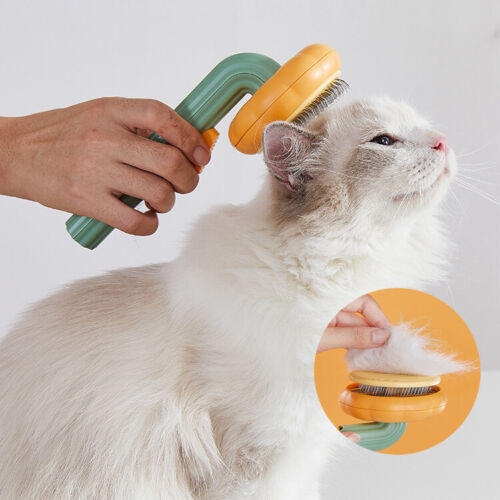
Self-cleaning slicker brush for dogs and cats, full view

Professional grooming appointments add up fast, and not every dog or cat tolerates the car ride, the noise, or the wait. The good news is that most routine grooming — brushing, nail trims, ear checks, and drying after a bath — is something you can handle at home with the right tools and a little consistency. The trick is knowing which tools actually earn a place in your routine, and which ones end up in a drawer after week two.

This guide walks through the core at-home grooming toolkit, how each piece fits into a real routine, and when it’s time to hand things over to a professional groomer or your vet instead.

Why At-Home Grooming Is Worth Building Into Your Routine

Regular brushing does more than keep fur off your couch. It helps distribute natural skin oils, catches mats and tangles before they get painful to remove, and gives you a low-stress moment to check your pet over for anything unusual — a new lump, a hot spot, ticks after a walk, or overgrown nails. For multi-pet households, a consistent grooming routine also cuts down on shedding season chaos.

None of this replaces veterinary care. Think of at-home grooming as maintenance between the appointments that matter — annual checkups, vaccinations, and anything involving your pet’s health that’s outside your expertise.

The At-Home Grooming Toolkit

You don’t need a professional-grade setup to groom effectively at home. Three categories of tools cover almost everything a typical dog or cat needs: a good brush, a set of hands-on tools for nails and ears, and a way to dry a wet coat safely.

1. A Slicker Brush for Everyday Coat Care

A slicker brush is the workhorse of any grooming routine — fine, closely spaced wire bristles that pull loose undercoat and light tangles out without digging into the skin. The Self-Cleaning Slicker Brush for Dogs & Cats is designed to be used across species, which is useful if you’re grooming both a dog and a cat in the same household. Its retractable bristles mean you can push a button to release the collected fur into the trash instead of pulling it out by hand between strokes — a small feature that makes you far more likely to actually use it regularly.

For most short- to medium-coated dogs and cats, two to three short brushing sessions a week is enough to stay ahead of shedding. Double-coated breeds and long-haired cats generally need brushing every day or two, especially during seasonal shedding.

2. A Grooming Tool Set for Nails, Ears, and Finishing Touches

Brushing handles the coat, but a full grooming routine also covers nail trims, ear cleaning, and general tidy-up — the parts most people are least confident doing themselves. The Pet Grooming Tool Set for Dogs bundles the basics into one kit so you’re not hunting for separate tools every time. Having everything in one place also makes it easier to build a habit, since the barrier to “just doing a quick nail check” drops when the clipper is already sitting next to the brush.

Nail trims are worth doing gradually — trimming just the tip every couple of weeks is safer and less stressful than trying to take off a lot at once, especially if your dog or cat isn’t used to having their paws handled. If you’re ever unsure how much to trim or notice bleeding, redness, or an odor from the ears, stop and check with your vet rather than continuing on your own.

3. A Low-Noise Dryer for Bath Days

Bath day is where a lot of at-home grooming routines fall apart, mostly because standard human hair dryers run hot and loud enough to spook most pets. The Low-Noise 300W Pet Hair Dryer for Dogs & Cats is built specifically for this — quieter operation and gentler airflow designed for pet coats rather than human hair, which matters for anxious pets and for breeds with a dense undercoat that takes a while to dry through.

Letting a heavy coat air-dry in a cold house, or skipping the dry entirely, can leave dogs and cats damp for hours, which isn’t comfortable for them. A dedicated pet dryer combined with a slicker brush — brushing while drying — also helps prevent mats from forming as the coat dries.

Building a Simple At-Home Grooming Routine

You don’t need a rigid schedule, but having a loose rhythm makes grooming much easier to keep up with:

  • 2-3x per week: A quick brush-through with the slicker brush, plus a fast visual check of ears, eyes, and paws.
  • Every 2-3 weeks: Nail trim, and a closer look at ears for wax buildup or odor.
  • As needed (bath time): Bathe, then dry thoroughly with a pet-safe dryer while brushing out the coat.
  • Ongoing: Use grooming sessions as a chance to feel for lumps, ticks, mats, or skin irritation you might not notice otherwise.

If your dog or cat is new to being handled this way, keep the first few sessions short and low-pressure — a couple of minutes with the brush and a treat afterward goes a long way toward making grooming something they tolerate rather than dread.

When to Call a Professional Groomer or Vet Instead

At-home tools cover routine maintenance well, but some situations call for more experienced hands:

  • Mats that are tight against the skin and won’t brush out — pulling on these can hurt your pet, and a groomer has tools to remove them safely.
  • Nail trims if your pet has dark nails and you can’t see where the quick is, or if a previous trim caused bleeding you weren’t prepared for.
  • Any redness, swelling, discharge, strong odor, or apparent pain around the ears, skin, or paws — these are worth a vet visit, not a grooming fix.
  • Breed-specific cuts (like hand-stripping or scissor work) that go beyond basic brushing and trimming.

FAQ: At-Home Pet Grooming

How often should I brush my dog or cat?

Most short-coated pets do well with two to three brushing sessions a week. Long-haired or double-coated breeds usually need brushing every day or two, especially during shedding season.

Can I use the same grooming tools for both my dog and my cat?

Many tools, like a slicker brush, are designed for use across species. Just check the specific product for size or coat-type guidance before using it on both pets.

Is it safe to trim my pet’s nails at home?

For most pets, trimming just the tip of the nail every couple of weeks is manageable at home. If you’re unsure where to cut, your pet has dark nails you can’t see through, or a previous trim caused bleeding, it’s safer to have a groomer or vet handle it.

My pet hates being brushed. What should I do?

Start with very short sessions — a minute or two — and pair them with treats or praise. Gradually increase the time as your pet gets more comfortable. If they consistently show signs of pain or distress rather than just mild dislike, mention it to your vet, since that can sometimes point to a skin issue underneath.

Building Your At-Home Grooming Kit

A slicker brush, a basic grooming tool set, and a pet-safe dryer cover the vast majority of routine grooming needs for dogs and cats. Start with whichever piece addresses your biggest current gap — brushing if shedding is the issue, a tool set if nail trims keep getting put off, or a dryer if bath days are a struggle — and build the rest of the routine around it. You can browse the full lineup of grooming tools in the Grooming category at PawNest.

Posted on 2 Comments

Dog Eating Too Fast? Slow Feeders and Puzzle Toys That Actually Help

Slow-feed puzzle bowl for dogs and cats - front view

If your dog empties their bowl in under a minute, you’ve probably seen what comes next: retching, regurgitated kibble, a round of hiccups, or a dog that immediately starts pacing and begging for more even though they just ate a full meal. Fast eating is one of the most common feeding complaints dog owners bring up, and it’s also one of the easiest to manage once you understand why it happens and what actually slows a dog down.

This guide covers why dogs gulp their food, what separates a slow feeder that works from one that just looks interesting in a product photo, and how to match a feeder or puzzle toy to your dog’s size, breed, and personality.

Why Dogs Eat Too Fast

Speed-eating usually comes down to instinct, competition, or habit rather than true hunger:

  • Resource guarding instinct. Dogs are descended from animals that had to eat quickly before food was taken by a rival, and that wiring doesn’t disappear just because dinner shows up in a bowl on a schedule.
  • Multi-dog households. A dog who has ever had to compete with a sibling for food often keeps eating fast long after the competition is gone.
  • Kibble shape and size. Small, round kibble is easy to inhale in mouthfuls without chewing, especially for dogs with bigger mouths relative to the pellet size.
  • Boredom or low mental stimulation. A dog with nothing else going on in their day often treats mealtime as the main event and rushes through it the same way a bored person might rush through a chore.
  • Learned behavior. If a dog has ever had food taken away, moved, or interrupted, gulping becomes a habit that sticks around indefinitely.

Why It’s Worth Slowing Them Down

Eating too quickly doesn’t just look messy. Dogs who gulp their food are more prone to vomiting or regurgitating shortly after meals, swallowing excess air, and feeling less satisfied by a meal since satiety takes time to register. Slower eating gives digestion a chance to keep pace, reduces mess and choking risk from unchewed kibble, and, as a side benefit, turns a 90-second event into 10–20 minutes of mental engagement. If your dog has ongoing vomiting, regurgitation, or other symptoms around mealtime, it’s worth mentioning to your vet — a slow feeder is a management tool, not a substitute for a vet visit when something seems off.

What Actually Makes a Slow Feeder Work

Not every “slow feeder” on the market slows a determined dog down. The designs that hold up over time generally rely on one or more of these mechanisms:

Maze and ridge patterns

Raised ridges, walls, or a maze molded into the bottom of a bowl force a dog to work kibble around and between obstacles instead of scooping it up in one motion. This is the most common slow-feeder design and works well for dogs who eat dry food.

Rolling and tumbling mechanics

Toys that dispense food only as they roll, tip, or wobble require a dog to nudge and chase the toy across the floor to get each small portion out. This adds physical movement on top of the slowdown, which is useful for dogs that need extra activity.

Foraging and snuffle designs

Fabric flaps, pockets, or fleece “grass” hide kibble or small treats so a dog has to sniff and forage for each piece. This taps into scent-driven foraging instinct rather than just physical obstacles, and tends to work well for dogs who lose interest in repetitive puzzle bowls.

Suction and multi-compartment builds

Some feeders use a suction base to stay put on the floor while a dog works food out of separate compartments or a rotating top, which is helpful for strong chewers or enthusiastic eaters who tend to flip a lighter bowl over.

Slow Feeders and Puzzle Toys Worth Trying

Here’s how these design types show up in real feeders and puzzle toys, matched to the kind of eater they suit best:

How to Choose the Right One for Your Dog

A few practical questions narrow the field quickly:

  • Dry food or wet food? Maze and ridge bowls are built for kibble. If your dog eats wet or mixed food, a ridge design still works reasonably well, but rolling and tumbler toys are made for dry kibble only.
  • How determined is your dog? A food-motivated dog who flips lightweight bowls will do better with a heavier, suction-based, or wide-footprint design than a bowl that can be tipped over and cleared out in seconds.
  • Size and breed. Match the feeder’s size to your dog — a bowl or puzzle sized for a small dog can frustrate a large dog immediately, and an oversized feeder can be genuinely difficult for a small dog to work with.
  • How much time do you want mealtime to take? Maze bowls typically add a few extra minutes to a meal. Foraging and puzzle-wheel designs can stretch a meal out much longer, which is useful if boredom during the day is part of the problem.
  • Cleaning. Bowls with fewer nooks are easier to wash than deep foraging toys. If you’re feeding wet food, prioritize a design that’s simple to rinse out completely.

Tips for Introducing a Slow Feeder

Switching cold turkey from a flat bowl to a puzzle feeder can leave some dogs confused or frustrated enough to walk away from food entirely. A smoother transition looks like this:

  • Start with an easy version of the puzzle — a shallow maze bowl rather than a complex foraging toy — so your dog can succeed quickly and stay motivated.
  • The first few meals, keep a portion of the food loose and visible so your dog understands the connection between the toy and the reward.
  • Watch the first several sessions in person to make sure your dog isn’t getting stuck, frustrated, or trying to chew through a part that isn’t meant to be chewed.
  • If your dog loses interest, that particular mechanism (maze, tumble, or forage) may not suit their style — trying a different type is usually more effective than assuming slow feeders don’t work for that dog.

FAQ

Are slow feeders safe for wet or mixed food?

Ridge and maze-style bowls generally handle wet or mixed food fine since the food sits directly in the grooves. Rolling, tumbling, and puzzle-wheel designs are made for dry kibble and aren’t a good fit for wet food.

How much slower will my dog actually eat?

It varies by dog and by design, but most owners see mealtime stretch from under a minute to somewhere in the five-to-fifteen-minute range with a maze bowl, and longer with foraging or puzzle-wheel toys, since those add a problem-solving element on top of the physical slowdown.

Can puppies use slow feeders?

Many puppies do well with simple, shallow slow-feed bowls. Choose an easier design to start, keep an eye on the first sessions, and size the feeder to your puppy’s current size rather than the size they’ll grow into.

Will a slow feeder help with weight management?

Slowing down a meal can help a dog register fullness before overeating, and puzzle feeders add activity on top of that. That said, a feeder addresses eating speed and enrichment — it isn’t a substitute for the feeding amount and diet your vet recommends for your dog’s weight.

Bringing It Together

A dog that gulps their food isn’t being difficult — they’re running on old instincts that a simple change in how food is presented can work around. Start with a design that matches how your dog already likes to interact with objects (nose-first foragers do better with snuffle toys, pushy dogs do better with rolling feeders, methodical dogs do fine with a maze bowl), and be willing to try a second type if the first one doesn’t click.

You can browse the full range of feeding solutions, including these slow feeders and puzzle toys, on PawNest’s Feeding category page.

Posted on Leave a comment

Puppy Teething Toys: A Buying Guide to Stop Destructive Chewing

Freezable TPR teething ring for puppies, full product view

Why Puppies Chew So Much (And Why It’s Not Their Fault)

If your puppy has turned your shoelaces, table legs, or remote control into chew toys, you’re not dealing with a behavior problem — you’re dealing with biology. Puppies lose their baby teeth and grow a full set of 42 adult teeth by around six months old, and the process is uncomfortable. Chewing relieves the pressure and itching in their gums, the same way a teething baby gnaws on anything within reach.

The good news is that this phase is temporary, and it’s manageable with the right tools. Giving your puppy chew toys that are actually built for teething — rather than random household items or toys designed for adult dogs — redirects that instinct away from your furniture and toward something safe.

When Does Puppy Teething Start and End?

Most puppies start losing baby teeth around 3-4 months old, and the adult teeth are usually fully in by 6-7 months. The heaviest chewing tends to happen in two windows: when baby teeth are falling out, and again a few weeks later as the adult teeth push through the gums. Some breeds, especially larger ones, keep chewing well into their first year simply because they’re still growing into their jaw strength.

Knowing where your puppy is in this timeline helps you pick the right toy. A very young puppy with sore, sensitive gums usually does better with something soft and coolable. An older puppy with adult teeth coming in benefits from more texture and resistance to satisfy the urge to gnaw.

What Actually Makes a Good Teething Toy

Not every “chew toy” on the shelf is built for a teething mouth. A few things matter more than marketing claims:

  • Give-not-shatter texture. The material should have some flex to it so it doesn’t crack into hard shards if your puppy bites down at an angle.
  • Right size for the mouth. A toy that’s too small is a choking risk; one that’s too large won’t get enough contact with the back teeth and gums where it’s needed most.
  • Something to occupy the mouth for a while. Toys puppies lose interest in after two minutes don’t do much for the actual teething discomfort — texture variety and a bit of novelty (like a freezable surface) keep them engaged longer.
  • Easy to clean. Chew toys end up covered in drool and, eventually, the kitchen floor. Rinseable or wipeable materials matter for a toy your puppy will have in its mouth daily for months.

Three Types of Teething Toys Worth Having on Hand

Rather than buying one toy and hoping it works, most puppy owners find that keeping two or three different types in rotation covers more of the teething timeline and keeps a puppy from getting bored with any single one.

Freezable Rings for Sore, Swollen Gums

When the adult teeth are actively pushing through, cold pressure is genuinely soothing — it’s the same idea as a teething ring for a human baby. PawNest’s Freezable Teething Ring for Puppies is a tough TPR ring designed to hold cold from the freezer, giving sore gums a numbing effect while your puppy chews. It’s especially useful during warm weather, when a cool toy does double duty.

Chew Sticks for Longer, Lower-Intensity Gnawing

Some puppies want something they can work on for a stretch rather than a single quick chew session. The Puppy Chew Stick Toy is shaped and textured to hold up to repeated gnawing without splintering, making it a good option to leave in the crate or a puppy-proofed room when you can’t supervise closely.

Multi-Toy Sets for Variety and Backup

Puppies are inconsistent about what they’ll actually want to chew on any given day, which is why a set often outperforms a single toy. The 4-Piece Natural Rubber Chew Toy Set for Puppies covers several shapes and textures (bone, donut, dental ball, and dumbbell), so if your puppy loses interest in one shape, there are three backups already in the toy basket instead of an emergency trip to the store.

Textured Options for Dental Cleaning as Adult Teeth Come In

Once the adult teeth are mostly through, a slightly firmer, more textured toy can help clean plaque off new teeth while still satisfying the chewing instinct. The TPR Bone-Shaped Chew Toy and the Textured Chew Ball both have raised nubs and ridges built for this transition stage, and they hold up well as your puppy grows into a stronger bite.

Safety Tips Every Puppy Owner Should Know

  • Supervise new toys the first few times. Every puppy chews differently — some are gentle, some are aggressive destroyers. Watch how your puppy handles a new toy before leaving them alone with it.
  • Retire damaged toys immediately. Cracks, exposed seams, or chunks missing mean it’s time to replace the toy, not keep using it.
  • Size up as your puppy grows. A toy sized for an 8-week-old puppy may become a choking hazard for the same dog at 6 months. Check toy size against your puppy’s current mouth, not just their age.
  • Don’t rely on one toy to “fix” destructive chewing. Toys redirect the instinct, but a bored, under-exercised puppy will still find your furniture interesting. Pair chew toys with regular play and mental stimulation.
  • Freezing is fine for TPR and rubber, not for everything. Only freeze toys designed for it, like a dedicated freezable ring — freezing the wrong material can make it too hard and risk tooth damage.

Building a Simple Rotation

A practical starting setup looks like this: keep a freezable ring in the freezer at all times so a cold option is always ready, keep one chew stick or rubber toy out for daytime gnawing, and rotate in a piece from a multi-toy set every few days so nothing goes stale. When you notice your puppy is teething heavily (excessive drooling, chewing everything in sight, or reluctance to eat hard kibble), lean more on the cold options for a few days until it passes.

Frequently Asked Questions

How long does puppy teething actually last?

Most puppies finish teething by 6-7 months, though the heaviest chewing phase is usually concentrated in a few weeks around 3-5 months. Larger breeds sometimes chew heavily a bit longer as their jaw and adult teeth continue developing.

Can I really put a chew toy in the freezer?

Toys specifically designed to be freezable, such as a TPR teething ring, are made to handle it safely. Don’t freeze toys that aren’t designed for it, since some materials can become brittle or too hard when frozen.

My puppy ignores the toy and chews the couch instead. What now?

Try a different texture or type before assuming your puppy just doesn’t like toys — a puppy who ignores a smooth chew stick might go straight for a textured ball or a cold ring. It also helps to redirect in the moment: when you catch your puppy chewing something off-limits, calmly swap in the toy rather than only saying “no.”

How many teething toys does a puppy actually need?

Two or three different types is a reasonable starting point — enough variety to match your puppy’s mood and teething stage without turning it into a mountain of toys they never touch.

Final Thoughts

Teething is temporary, but the toys and habits you build during this phase often stick around for your dog’s whole life. Choosing toys that actually match what a teething mouth needs — rather than whatever looks appealing on a shelf — makes the phase easier on both of you. You can browse PawNest’s full Puppy collection for more options as your puppy grows out of the teething stage and into the next one.

Posted on Leave a comment

Best Interactive Toys for Indoor Cats (And How to Choose the Right One)

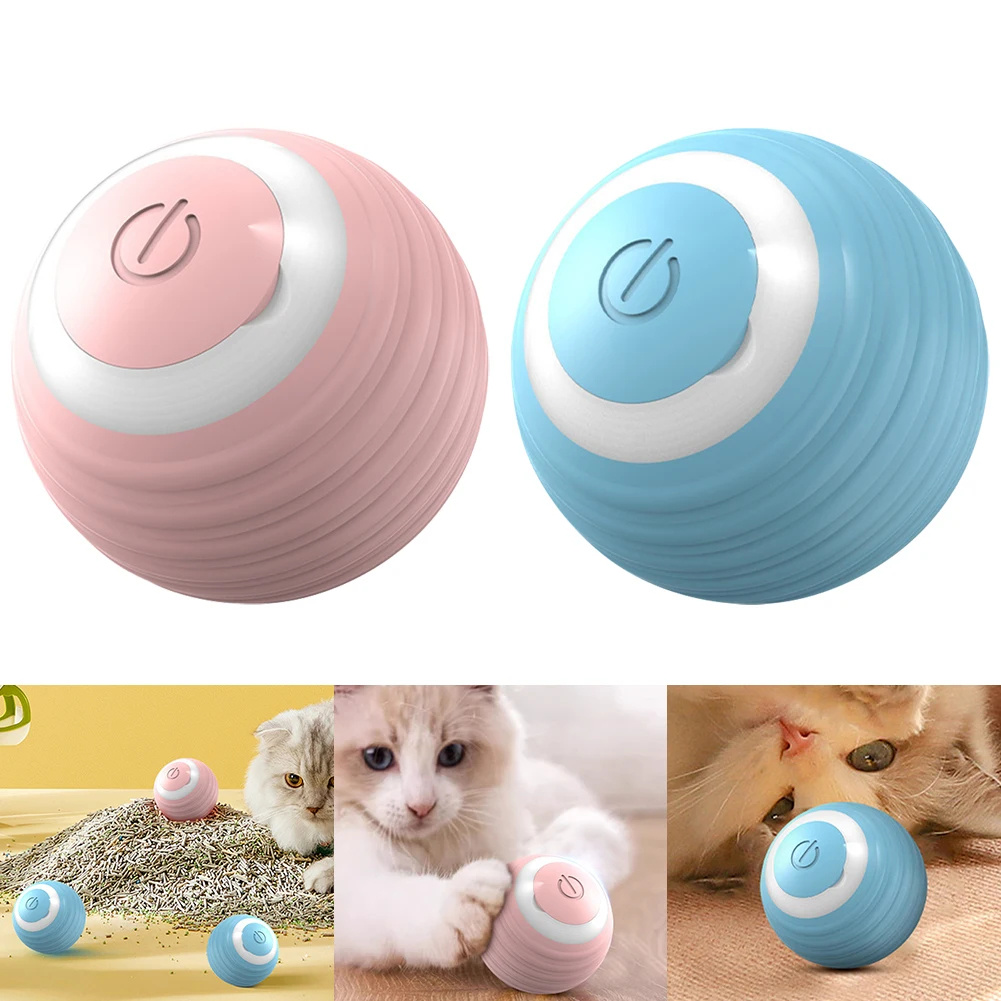
Automatic self-moving rolling ball toy for cats

If your cat spends most of the day indoors, you have probably seen the signs of boredom: 3 a.m. zoomies, knocked-over cups, or a cat that just sleeps in the same spot for hours. Indoor cats do not get the hunting, climbing, and exploring that keeps a cat’s brain and body busy outdoors, so that stimulation has to come from somewhere else. That is where interactive toys come in.

This guide walks through what actually makes a toy “interactive,” the main types worth trying, and how to build a small rotation so your cat does not lose interest after week one.

Why Indoor Cats Need Interactive Play

Cats are natural predators, and that instinct does not switch off just because they live indoors. Without an outlet, that energy tends to show up as scratching furniture, overeating, excess sleeping, or general restlessness. Regular play sessions give a cat a way to stalk, chase, and “catch” something, which is a big part of what keeps an indoor cat mentally engaged and physically active.

Interactive toys are useful because they do not always require you to be holding the other end. A toy that moves on its own, lights up, or makes noise gives your cat something to react to even during the hours you are at work or asleep.

What to Look For in an Interactive Cat Toy

Unpredictable movement

Cats lose interest quickly in anything too repetitive. Toys that change direction, speed, or pattern (rather than moving in a simple straight line) tend to hold attention longer.

Safe materials and size

Check that small parts cannot be chewed off and swallowed, and pick a size that suits your cat rather than a kitten-sized toy for a large adult cat, or the reverse.

Noise level

Some automatic toys have a motor hum that is barely noticeable, while others are louder. If your cat is naturally skittish, a quieter toy is usually the safer first choice.

Power source

USB-rechargeable toys tend to be more convenient long-term than ones that rely on disposable batteries, especially if you plan to leave a toy running daily.

Types of Interactive Toys Worth Trying

Automatic Rolling and Rotating Balls

These toys move on their own in changing directions, which mimics the unpredictable movement of prey and tends to work well for cats that like to chase. PawNest carries a few versions of this style, including the Automatic Moving Bouncing Rolling Ball, which bounces and changes direction as it moves, and the Automatic Rotating Ball Toy. If you would rather avoid replacing batteries, the USB Rechargeable Self-Rotating Ball is a straightforward option to charge and reuse.

Laser Toys

Laser toys are popular because almost every cat will chase a moving light. An Automatic Laser Teaser Toy can run a laser pattern on its own so you do not have to hold a pointer the whole time, while the Interactive LED Laser Rolling Ball combines a rolling ball with a laser element for more variety. One practical habit worth building: never point a laser directly at your cat’s eyes, and try to end a laser session by letting your cat “catch” a physical toy or treat, since a laser dot can never actually be caught, which can be frustrating for some cats over time.

Remote-Control and Chase Toys

For more hands-on interactive play, a Remote Control Interactive Chase Car Toy lets you steer the action yourself, which is a good middle ground between a fully automatic toy and a wand toy that needs constant attention.

Tunnels and Hideaways

Not every interactive toy needs to move. A collapsible option like the Cat Tunnel gives your cat a place to hide, pounce from, and explore, which taps into natural stalking behavior without any batteries at all.

Plush and Catnip Toys for Solo Play

For quieter moments, a Plush Squeaky Mouse Toy or a Catnip Plush Kicker Toy Set gives your cat something to bite, kick, and carry around on their own schedule, which is useful for cats that are not always in the mood for high-energy chase games.

Building a Simple Toy Rotation

One of the most common reasons a toy gets ignored after the first week is not that it is a bad toy, it is that it is the only toy. Cats tend to stay more engaged when a small rotation is in place rather than one toy left out permanently. A practical starting point:

  • One automatic or laser toy for solo play during the day
  • One plush or catnip toy for lower-energy moments
  • One tunnel, box, or hideaway for exploring and pouncing

Swapping which toys are out every few days, rather than leaving all of them accessible all the time, can help keep each one feeling new again when it reappears.

Pairing Play With a Comfortable Wind-Down Spot

Play sessions work best when they are followed by a comfortable place to rest. A Cozy Nest Bed for Cats gives your cat a dedicated spot to settle into after an active play session, which can also help reinforce a healthy play-then-rest routine.

Frequently Asked Questions

How long should a play session with an automatic toy last?

There is no fixed rule, but many owners find short, multiple sessions throughout the day (rather than one long session) keep a cat more consistently engaged. Watch your cat’s interest level and let that guide you.

Are laser toys bad for cats?

Used occasionally and thoughtfully, laser toys are a common and popular way to encourage chase behavior. The main things to keep in mind are avoiding your cat’s eyes and giving them a physical toy to “catch” at the end of a session, since a light beam cannot ever actually be caught.

Do I really need more than one toy?

Not strictly, but a small rotation of two or three toys in different styles (movement-based, plush, and a hideaway like a tunnel) tends to hold a cat’s interest longer than a single toy left out indefinitely.

Can I leave automatic toys running while I’m away?

Many automatic toys are designed for unattended play, but it is worth supervising a new toy the first few times to see how your cat reacts before leaving them alone with it.

Final Thoughts

There is no single “best” interactive toy for every cat, since play style varies a lot from one cat to the next. The goal is to give your cat a few different ways to engage: something that moves unpredictably, something soft to carry around, and somewhere to hide and pounce from. You can browse PawNest’s full range of interactive cat toys and other cat products to put together a rotation that fits your cat’s personality.