
A cat that suddenly stops using the litter box is almost never being spiteful — it’s usually a signal that something about the box, its location, or the cat’s health has changed. Before assuming it’s a behavior problem, it’s worth ruling out the more common physical and setup causes first, since most of them are fixable without any retraining at all.
Rule Out a Medical Cause First
Straining, crying while urinating, blood in the urine, or suddenly avoiding the box entirely after using it normally for years can all point to a urinary tract issue, which is a medical situation, not a behavior one. If the change was sudden rather than gradual, a vet visit should come before trying any of the setup changes below.
Check the Box Itself
- Cleanliness — cats are more sensitive to a dirty box than most owners expect; scooping once a day is the minimum for most cats, and some prefer twice.
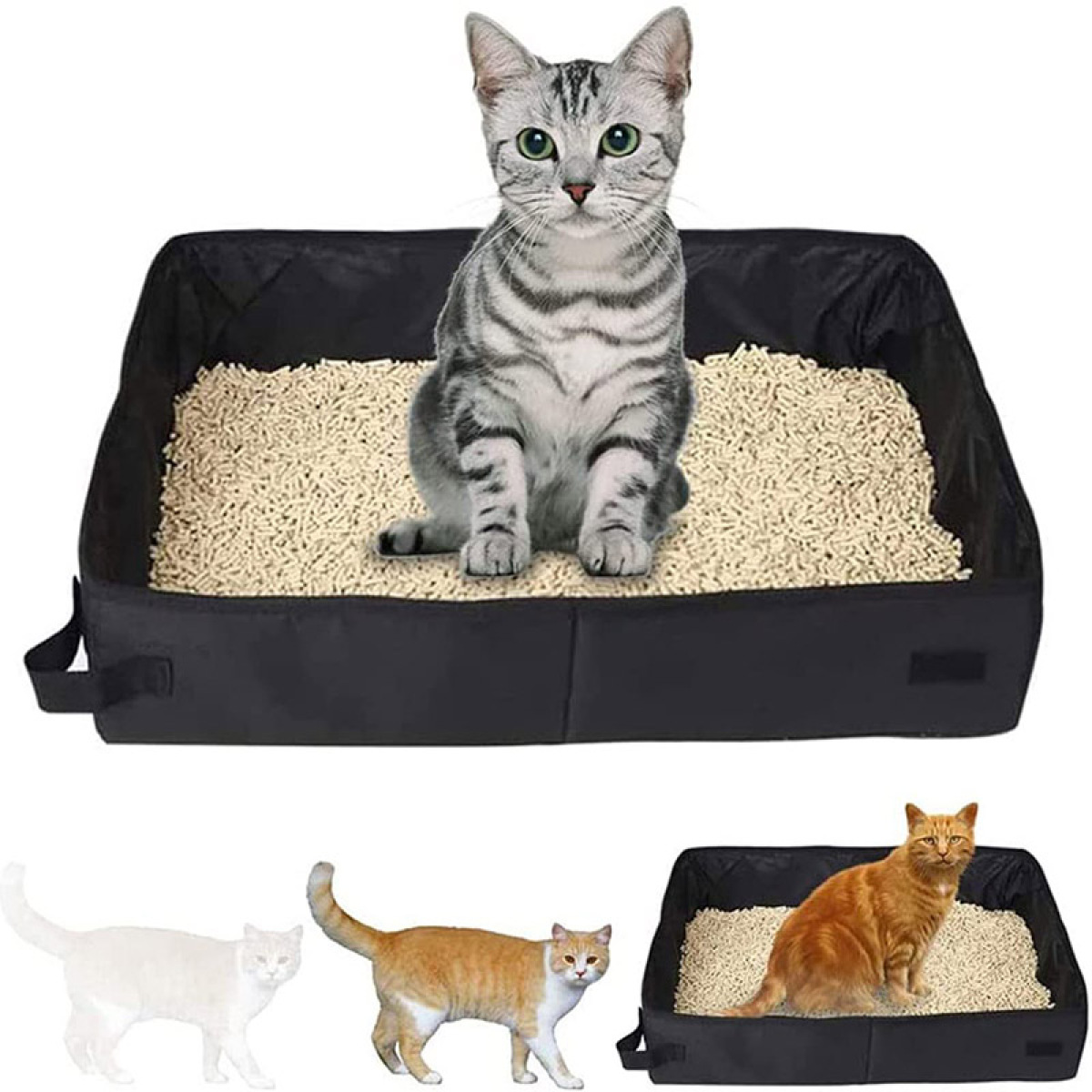
- Box size — a box that’s too small for your cat to turn around in comfortably can lead to avoidance. If space is tight or you need a portable backup option, a foldable litter box can work as a temporary second location while you figure out what your cat prefers.
- Litter type — a sudden litter brand or scent change is a common, overlooked trigger. If you’ve recently switched, going back to the old litter and changing gradually (mixing old and new over a week or two) tends to work better than an abrupt swap.
Check the Location
Where the box sits matters as much as the box itself. A few placement issues that commonly cause avoidance:
- Too close to food or water — cats generally don’t want to eliminate near where they eat, so a box placed right next to food bowls can go unused even if it’s otherwise fine.
- High-traffic or noisy spots — next to a washing machine, furnace, or a busy hallway can make a cat feel too exposed or startled to use the box consistently.
- Only one location in a multi-level home — if the box is on a different floor than where your cat spends most of their time, they may simply not want to make the trip. For guidance on how many boxes to have and how to spread them out in a multi-cat or multi-level home, see our litter box cleanup and setup guide, which covers the one-box-per-cat-plus-one rule in detail.
Make Daily Maintenance Easier (So It Actually Happens)
A lot of “the box was too dirty” situations come down to scooping being inconvenient enough that it gets skipped. A scoop with a stand-up base and bag holder keeps everything in one spot so scooping takes seconds rather than becoming its own errand. Pairing that with a litter trapping mat under the box also cuts down on tracked litter, which won’t fix avoidance on its own but does make the whole area feel cleaner day to day.
Reintroducing the Box After a Problem
If your cat has started going elsewhere consistently, cleaning that spot thoroughly (regular cleaners often don’t fully remove the scent markers that draw a cat back) and temporarily blocking access to it while making the litter box more appealing — fresh litter, a quieter location, more frequent scooping — tends to work better than punishment or scolding, which typically increases stress and can make the problem worse.
Common Causes at a Glance
| Symptom | Likely Cause | What to Try |
|---|---|---|
| Straining, crying, blood in urine | Possible medical issue | Vet visit first, before any setup changes |
| Avoiding box after a litter switch | Litter type change | Return to old litter, transition gradually |
| Box avoided after scent lingers nearby | Box too dirty or too small | Scoop daily, consider a larger or second box |
| Accidents in one specific room | Box location or access issue | Add a box closer to that area; block the accident spot after cleaning |
Frequently Asked Questions
Is my cat doing this out of spite?
No — cats don’t use elimination as a form of revenge. It’s almost always a physical, environmental, or medical response worth investigating rather than a behavioral punishment aimed at you.
How long should I try a fix before assuming it didn’t work?
Give any single change (new litter, new location, more frequent scooping) about one to two weeks before concluding it isn’t helping, since cats can take time to trust a change is permanent.
Should I get a second litter box instead of fixing the first one?
Sometimes adding a second box in a different location solves the problem faster than troubleshooting the original one, especially in larger or multi-level homes — it isn’t giving up, it’s often the actual fix.
