
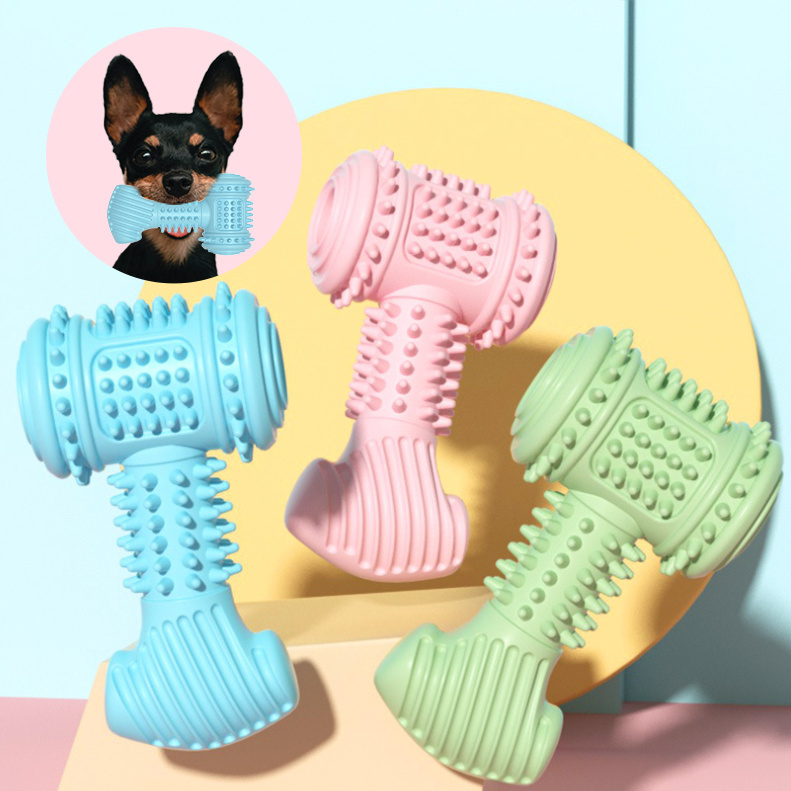
Puppy teething explains a lot of chewing, but plenty of dogs keep destroying things well past their first year — shoes, remote controls, the corner of the couch. If your dog is past the teething stage and still chewing things they shouldn’t, the cause (and the fix) is usually different from what worked, or was tolerated, as a puppy.
If your dog is still under a year old and actively teething, our puppy teething toys guide is the more relevant place to start. This one is specifically about adult dogs.
Why adult dogs chew things they shouldn’t
Chewing in adult dogs is almost always one of a few things, and figuring out which one you’re dealing with changes what actually helps:
- Boredom or under-stimulation: the most common cause. A dog without enough mental or physical outlet will find one, and household objects are an easy target.
- Anxiety: chewing can be self-soothing, similar to how some people bite their nails under stress. This is especially likely if the chewing is concentrated right after you leave — see our guide to separation anxiety if that pattern matches.
- Genuine habit: a behavior that was never fully redirected as a puppy can simply continue into adulthood if it was never actively addressed.
- Not enough legitimate options available: if your dog doesn’t have an appropriate chew within easy reach, they’ll use what’s available — which is often exactly what you don’t want chewed.
Rule out anxiety first
Before assuming it’s boredom, check the timing. Chewing that happens consistently within the first 15–30 minutes after you leave, especially focused on doors, windowsills, or exit points, points toward anxiety rather than boredom — and the fix is different (routine and gradual desensitization work, not more toys). Chewing that happens at random points throughout the day, on whatever’s nearby, is more consistent with plain understimulation.
Match the chew toy to an adult dog’s bite strength
A common mistake is offering a dog the same soft plush or puppy-grade chew they had as a puppy, which an adult dog with full jaw strength can destroy in minutes — reinforcing the idea that destroying things is quick and easy. Matching the toy to your dog’s actual current chew strength matters more than it did as a puppy:
- The TPR bone-shaped chew toy is built for dogs with real adult bite force and holds up far longer than soft plush styles.
- The textured chew ball adds an interactive, rolling element, which helps for dogs that chew partly out of restlessness rather than pure jaw-need.
- The suction cup chew ball can be anchored to a smooth surface, which gives some dogs a satisfying resistance to pull against that a loose toy doesn’t provide.
For a fuller breakdown of matching toy type to chew strength, see our chew toy buying guide.
Manage the environment while you retrain the habit
Redirection only works if your dog has fewer opportunities to practice the unwanted behavior in the meantime. That usually means, at least temporarily: keeping shoes and remotes out of reach, using baby gates to limit access to rooms with tempting furniture, and making sure an appropriate chew is always within easy reach so there’s a ready alternative the moment the urge hits.
Redirect, don’t just punish
Catching a dog mid-chew and immediately offering an appropriate toy — with praise once they take it — teaches them what is allowed, which matters more than just stopping what isn’t. Punishment after the fact (when you come home to find something chewed) doesn’t connect to the behavior in a dog’s mind and mostly just adds stress without changing anything going forward.
Add more physical and mental outlets
If boredom is the root cause, more chew toys alone treat the symptom, not the source. Pairing an appropriate chew with more consistent exercise and mental stimulation — see our guide to keeping a dog entertained indoors — tends to reduce destructive chewing more reliably than the chew toy by itself.
FAQ
My dog only chews things when I’m not watching — does that mean they know it’s wrong?
Not necessarily guilt in the way we’d think of it — dogs often learn that chewing certain things gets an immediate reaction from you, so they avoid doing it in front of you rather than understanding it’s “wrong” in the abstract. That’s part of why redirection in the moment works better than after-the-fact correction.
Could this be a medical issue instead of behavioral?
Sudden new chewing in a dog that never chewed before is worth mentioning to a vet, especially alongside other changes like appetite shifts or excessive drooling — dental pain and certain GI issues can occasionally drive chewing behavior.
How long does it take to fix destructive chewing?
It varies a lot by cause — boredom-driven chewing often improves within a couple of weeks of consistent changes, while anxiety-driven chewing can take longer and may need a structured plan. Consistency matters more than speed here.
Related Articles
- How to Match Chew Toys to Your Dog’s Chewing Style
- Dog Separation Anxiety: How to Help Your Dog When You’re Away
- Puppy Teething Toys: A Buying Guide to Stop Destructive Chewing
Browse Chew Toys built for adult dogs’ actual bite strength.
[…] Destructive Chewing in Adult Dogs: Why It Happens and How to Redirect It […]