
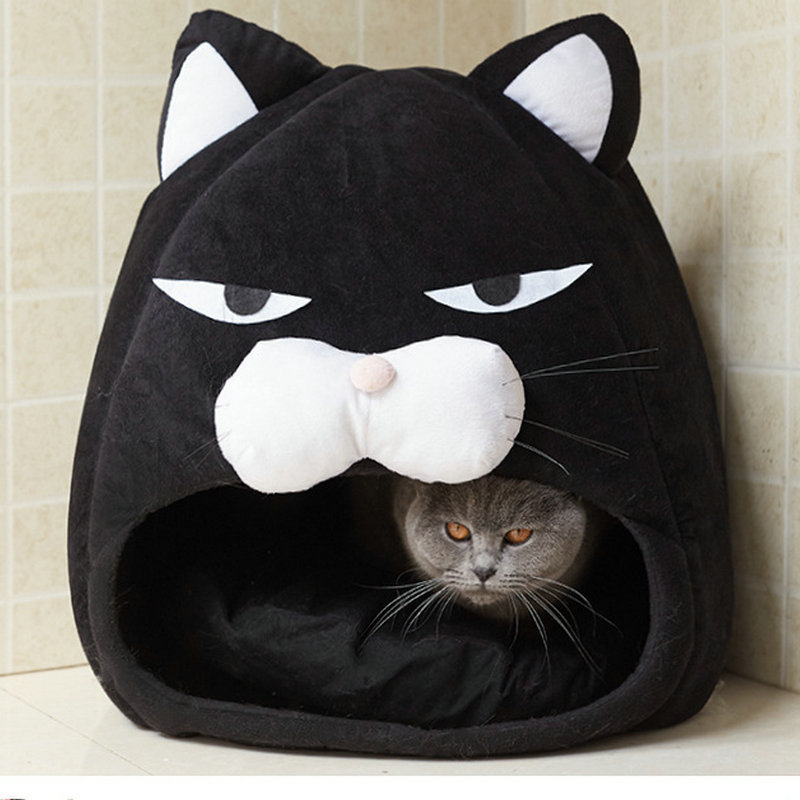
A new kitten needs a smaller, calmer setup than a full-grown cat — smaller litter box, smaller toys, and a quiet space to retreat to while they adjust. This checklist sorts what to get by when you actually need it, from the first 24 hours through the first month, so you’re not buying everything at once before you know your kitten’s personality.
Day One: A Small, Safe Base Camp
- One quiet room, not the whole house — kittens settle faster in a small space with their litter box, water, and bed all within a few feet, rather than being given free run of a new home immediately.
- A litter box sized for a kitten — a full-size box can have walls too tall for a very young kitten to climb into comfortably. A low-walled foldable litter box works well temporarily even outside of travel use, specifically because of its shallow entry.
- A cozy, enclosed bed — a covered nest-style bed gives a kitten somewhere to fully hide, which matters more for kittens than open beds do, since feeling exposed is a common source of new-home stress.
Litter Box Basics Before You Need Them
Scooping daily from day one, using unscented litter, and keeping the box in a low-traffic spot all matter more in the first few weeks than the box style itself. A scoop with a stand-up base makes daily scooping quick enough that it’s less likely to get skipped. If litter box habits become a problem later, our guide on why cats stop using the litter box covers the most common causes and fixes.
Week One to Two: Play That Matches Kitten Energy
Kittens are drawn to fast, erratic movement more than slow toys, since it mimics prey behavior. A few options that hold up well for very young cats:
- Self-moving rolling ball toy — gives solo play during the day when you can’t actively engage.
- Automatic laser pointer toy — good for short bursts of chase play, though it’s worth pairing laser play with a toy they can actually catch and hold, to avoid frustration.
- Collapsible felt tunnel — combines a hiding spot with a play structure, useful for a kitten still building confidence in a new space.
For a broader look at toy variety and rotation once your kitten is more established, see our guide to interactive toys for indoor cats.
Kitten Checklist at a Glance
| Need | Timing | What to Get |
|---|---|---|
| Shallow litter box | Day 1 | Foldable low-wall litter box |
| Enclosed sleeping spot | Day 1 | Covered nest bed |
| Easy daily scooping | Day 1 | Stand-up scoop |
| Solo daytime play | Week 1 | Self-moving ball toy |
| Active chase play | Week 1-2 | Laser pointer toy |
| Hiding + play structure | Week 1-2 | Collapsible tunnel |
What We’re Deliberately Not Covering Here
Vaccination schedules, deworming, and spay/neuter timing are all things your vet should guide directly, since they depend on your kitten’s health history and local guidelines — we’re sticking to physical setup and gear here rather than medical scheduling.
Frequently Asked Questions
Should I let my kitten explore the whole house right away?
Most kittens do better with a smaller starting space for the first few days, expanding gradually once they seem confident rather than anxious in the initial room.
Do kittens need a different litter box than adult cats?
Not permanently, but a lower entry wall helps very young kittens get in and out comfortably during the first several weeks before they’re switched to a standard-size box.
My kitten seems more interested in the box the toy came in than the toy itself — is that normal?
Very common, and not a sign the toy was a bad choice. Boxes and paper bags tap into the same enclosed-space instinct as tunnels, so it’s fine to let them enjoy both.
[…] you’re just bringing a kitten home, our new kitten checklist covers age-appropriate toy picks alongside the rest of the first-month […]