Cats are good at hiding discomfort, so aging often shows up in small, easy-to-miss ways — a jump that turns into a climb, a litter box visit that takes a little longer, a coat that stops looking as sleek. None of that means something is wrong, but it usually means a few small adjustments at home can help. Here’s what tends to change as cats get older, and the practical, non-medical ways to make things easier.
How a Cat’s Aging Differs From a Dog’s
Cats don’t age on the same predictable size-based curve dogs do. A giant-breed dog can be “senior” by 6, while most cats aren’t considered senior until somewhere around 10 to 12 years old, regardless of breed. Cats also tend to mask stiffness and discomfort more thoroughly than dogs do, since showing weakness isn’t something their instincts reward. If you’re also caring for an aging dog, our senior dog care guide covers the same territory from a dog’s perspective — the two overlap less than you’d expect.
Getting Around: Mobility Changes
Stiffness in an older cat often shows up as smaller changes first: skipping a jump onto the counter they used to make easily, taking a favorite window perch less often, or landing more heavily than before. You don’t need to overhaul the house — the simplest fix is making sure food, water, and a litter box are all available somewhere your cat doesn’t have to climb or jump to reach, even if their favorite spots are still elevated.
Litter Box Access as Cats Get Older
A litter box that was never a problem for a younger cat can become one once climbing over a high side gets uncomfortable. If you notice a senior cat hesitating at the box, or having occasional accidents nearby rather than in it, mobility is worth ruling out before assuming it’s behavioral. PawNest’s current litter lineup is built around cleanup and portability rather than a dedicated low-entry senior design, so if mobility is the issue, look specifically for a box with a low front cutout. In the meantime, keeping the box very clean and easy to reach helps — our litter box cleanup guide and litter box troubleshooting guide both go deeper on this if avoidance becomes a pattern.
Appetite, Digestion, and Weight Changes
Senior cats can go either direction — some get pickier and eat less, others gain weight as activity drops. Neither is something to self-diagnose, but a couple of small additions can help day to day. Cat grass is a low-effort way to add variety to a routine that might otherwise feel monotonous — our cat grass guide covers why cats seek it out and how to offer it safely. For everyday digestive support, the probiotic & prebiotic powder is formulated for both cats and dogs — it’s the one supplement in our dog supplement guide that’s actually suitable for cats too.
Coat and Grooming Changes
Cats groom themselves constantly when they’re young, but that habit often slows down with age — sometimes because reaching certain spots gets less comfortable, sometimes just because they’re sleeping more. A coat that looks duller or slightly matted around the hips or lower back is a common sign. Shorter, gentler, more frequent brushing sessions tend to work better than one long session; our at-home grooming guide covers the brush and tool set that work for cats as well as dogs.
Comfort and Sleep
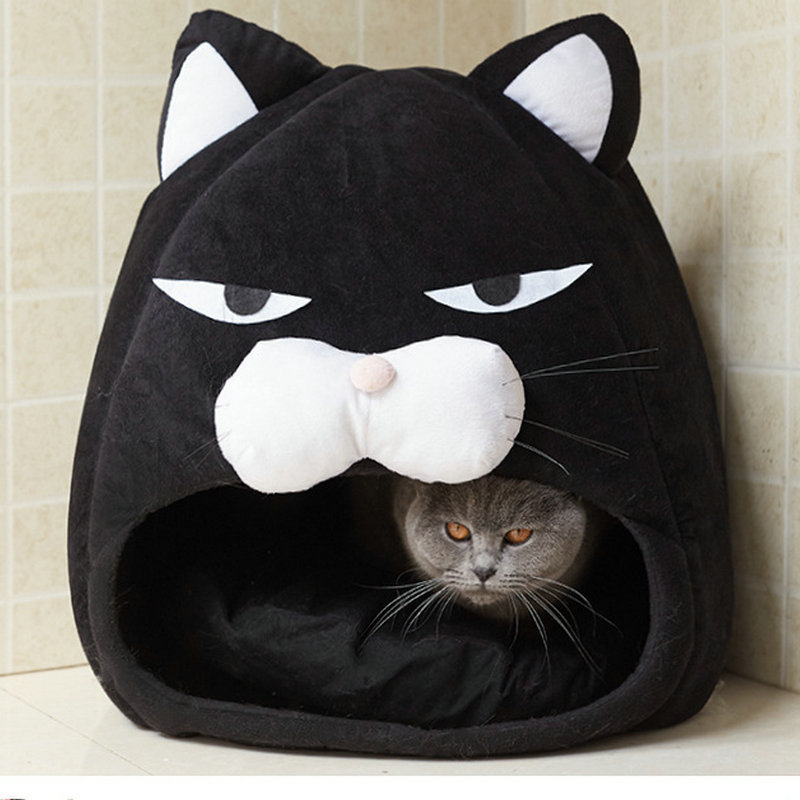
Older cats sleep more, and where they sleep starts to matter more too. A bed with an easy, low entry point — rather than one they have to climb into — tends to get used more consistently. The covered nest bed gives a cat an enclosed, secure spot to settle into without a high side to clear, and the donut calming bed‘s raised rim works well for a cat who likes to curl up tightly. Either way, keep it away from drafts and somewhere quiet — our full pet bed buying guide breaks down the other styles if neither is quite right.
Senior Cat Checklist at a Glance
| What’s Changing | What Can Help | Where to Start |
|---|---|---|
| Jumping and climbing | Keep food, water, and litter reachable without a jump | Rearrange existing setup first — no purchase needed |
| Litter box hesitation | Very easy access, kept extremely clean | Litter Scoop with Stand-Up Base |
| Appetite / routine changes | Low-effort variety and gut support | Cat Grass Treats, Probiotic & Prebiotic Powder |
| Self-grooming slowing down | Shorter, more frequent brushing | Self-Cleaning Slicker Brush |
| Sleeping more | Low-entry, enclosed, or curl-up bed | Covered Nest Bed or Donut Calming Bed |
When to Call the Vet
This guide is about everyday comfort, not diagnosis. Call your vet if you notice sudden weight loss or gain, your cat goes more than a day without eating, new limping or reluctance to move, hiding more than usual, or litter box accidents that start suddenly after years of reliable use. Senior cats are also more prone to conditions that show few outward signs early on, so many vets recommend more frequent wellness checks once a cat crosses into their senior years — worth asking about at your cat’s next visit.
Frequently Asked Questions
At what age is a cat considered senior?
Most vets use roughly 10 to 12 years as the general senior starting point for cats, though individual cats vary and some show age-related changes earlier or later than that.
Do senior cats need a special diet?
Possibly, but that’s a conversation for your vet based on your specific cat’s weight, activity, and any health conditions — this guide sticks to non-medical comfort adjustments rather than diet or supplement dosing.
Is it normal for an older cat to sleep more?
Yes, increased sleep is one of the most common and normal changes as cats age. A sudden, dramatic change in sleep pattern or activity level is more worth mentioning to a vet than a gradual increase.
Should I brush my senior cat more than a younger cat?
Often, yes — many senior cats groom themselves less thoroughly, so a bit more brushing from you helps fill that gap, especially over areas they have a harder time reaching on their own.
Related Articles
- Caring for a Senior Dog: What Actually Changes and What Helps
- Cat Grass: Why Cats Eat It and How to Offer It Safely
- Dog Supplement Chews Explained
- Cat Litter Box Cleanup Guide
- How to Choose the Right Pet Bed for Your Dog or Cat
Bottom Line
Most of what an aging cat needs isn’t a new routine so much as a slightly easier version of the old one: resources within easy reach, a bed that doesn’t require a climb, a bit more grooming help, and an eye out for changes worth a vet visit. None of it needs to happen all at once.