
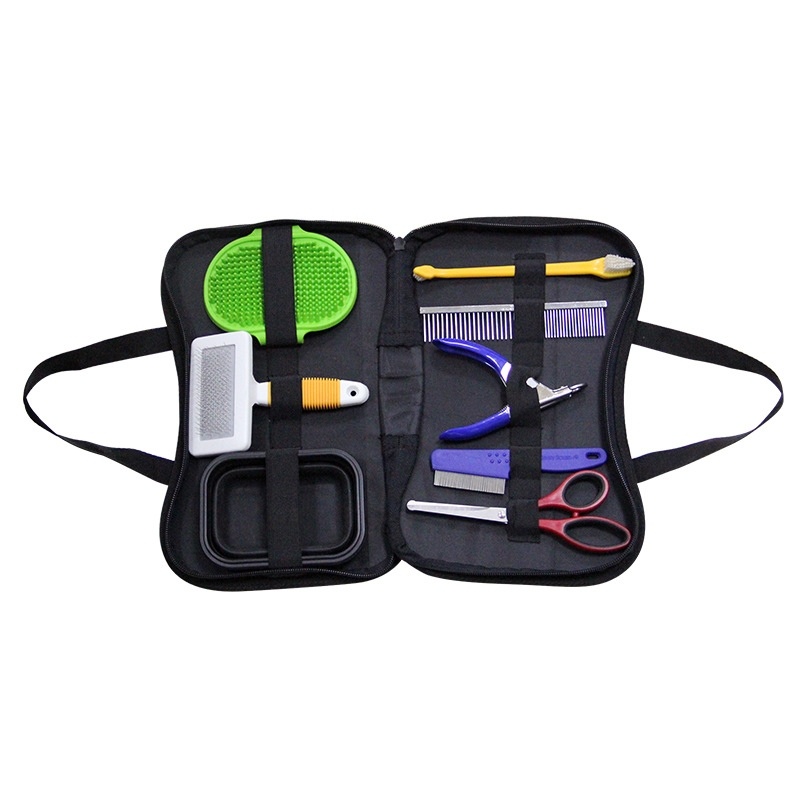
Some dogs and cats settle into grooming without much fuss. Others tense up the second the brush or clippers come out, and grooming turns into a wrestling match neither of you enjoys. If that’s your pet, you’re not doing anything wrong — some animals are just more sensitive to handling, noise, or restraint, and the fix is usually patience and a different approach rather than powering through.
Here are the questions we hear most from owners dealing with a genuinely nervous or fearful groomer.
Frequently Asked Questions
Why is my pet suddenly so scared of grooming when they used to be fine with it?
A sudden change usually points to a specific bad experience — an accidental nick during a nail trim, a painful mat being pulled too hard, or a scary noise during a session. It can also be a sign of a physical issue, like sore joints making handling uncomfortable, especially in a senior pet. If the fear appeared suddenly rather than building gradually, it’s worth ruling out a pain-related cause with your vet before assuming it’s purely behavioral.
How do I get my dog or cat used to being handled before I even start grooming?
Short, low-pressure handling sessions completely separate from actual grooming help the most. Gently touch paws, ears, and the areas you’ll need to groom for a few seconds at a time, rewarding calm behavior with a treat or praise, and stop before your pet gets tense. Building this up over days or weeks, well before you introduce a brush or clippers, makes the real grooming session far less overwhelming when it happens.
My pet won’t sit still for nail trims specifically. What helps?
Break it into very short sessions — even one or two nails counts as real progress — rather than trying to finish all of them at once. Our nail trimming guide covers this in more depth, including when it’s worth handing the task to a groomer or vet instead of continuing to push through repeated stressful attempts.
Is it better to do one long grooming session or several short ones?
For a nervous pet, several short sessions almost always work better than one long one. A five-minute session that ends calmly builds trust for next time; a twenty-minute session that ends in a struggle undoes progress and makes the next attempt harder.
Does the noise from tools like brushes or dryers make things worse?
Yes, for many pets, noise is a bigger issue than the physical sensation of grooming itself. A low-noise tool, like our low-noise pet hair dryer, can make a real difference for a sound-sensitive dog or cat, and simply letting your pet see and hear a tool running from a distance — without it touching them — before the first real use helps too.
Should I use treats during grooming, or does that just create a bribery habit?
Rewarding calm behavior during and after grooming isn’t bribery — it’s building a positive association with something your pet currently finds stressful, which is exactly the goal. Keep small, high-value treats on hand and reward frequently during early sessions, tapering off once grooming becomes more routine.
My cat hides the moment grooming tools come out. Is that different from a dog being scared?
The underlying stress is similar, though cats are more likely to disappear entirely rather than visibly struggle. Bringing tools out casually without immediately using them, and grooming in short bursts during naturally calm moments, tends to work better for cats than trying to catch and hold them for a full session.
At what point should I just hire a professional groomer instead?
If your pet is extremely anxious, shows signs of aggression during handling, or grooming attempts consistently end in a stressful struggle for both of you, a professional groomer experienced with fearful pets — or a vet visit to rule out a pain-related cause — is a reasonable and honest option rather than continuing to force it at home.
Building a Better Routine Going Forward
The right tools help, but consistency and a gentle pace matter more than any specific product. Keeping sessions short, ending on a calm note, and not skipping the handling groundwork before a first real grooming attempt all compound over time into a pet that tolerates — and sometimes even seems to enjoy — the routine. Our at-home grooming tools guide covers the core kit worth building this routine around.
Related Articles
- How to Trim Your Dog’s or Cat’s Nails at Home: A Step-by-Step Guide
- At-Home Pet Grooming: The Tools You Actually Need
- Cat Stress and Anxiety: Signs and How to Help at Home
Browse PawNest’s grooming collection for tools designed to make sessions calmer, not just faster.
[…] rather than pulling, which can hurt your pet and discourage them from future grooming sessions. Our guide to grooming a nervous or fearful pet has more on building comfort with any new grooming […]
[…] FAQ: Grooming a Nervous or Fearful Pet at Home […]