
Not every treat that works for a lazy Sunday afternoon works for a real training session. A treat that takes thirty seconds to chew breaks your dog’s focus and slows the whole session down; one that’s too big fills your dog up after five repetitions. Training treats have a different job than everyday treats, and picking the right ones makes an outsized difference in how effective your sessions actually are.
Here’s what to actually look for, using what’s in PawNest’s own treat lineup as concrete examples.
What Makes a Treat Good for Training
Four things matter more than flavor or branding:
- Small size. You want dozens of repetitions per session without overfeeding, so a treat that can be broken into pea-sized pieces (or is naturally that small) works better than a large biscuit.
- Fast to eat. A treat your dog has to chew for a while breaks momentum. The best training treats are gone in one bite so you can move straight to the next cue.
- High enough value to motivate. For a distracting environment (outdoors, around other dogs), a treat needs to be genuinely exciting — not just acceptable — to compete with everything else going on.
- Easy to carry and dispense. Treats that don’t crumble apart in a pocket or pouch make repeated short sessions less messy.
Freeze-Dried Treats for High-Value Motivation
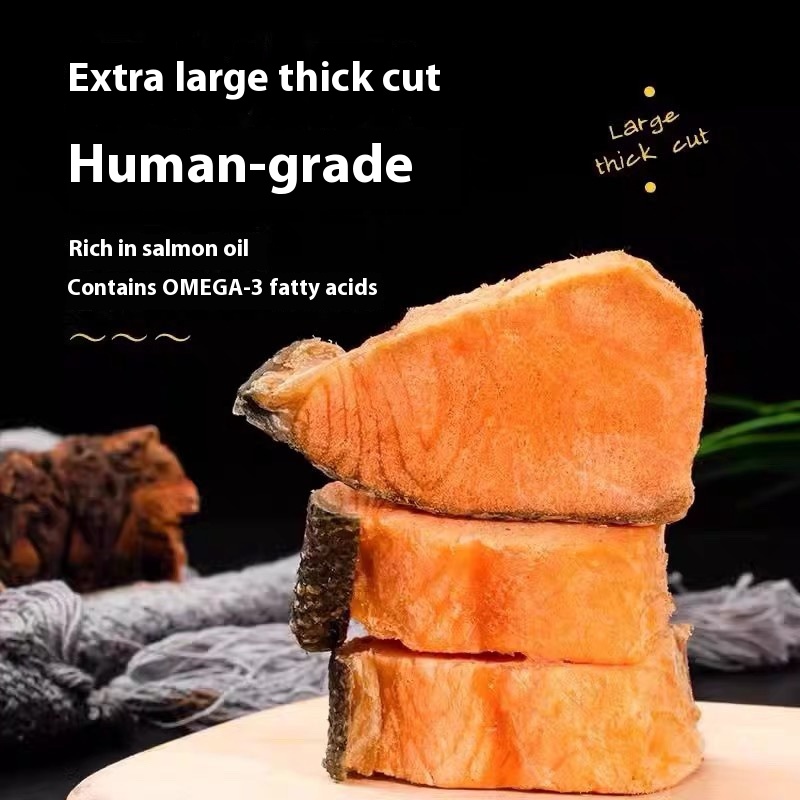
Freeze-dried single-ingredient treats tend to be a strong choice for training precisely because they’re concentrated, aromatic, and easy to break into smaller pieces. PawNest’s freeze-dried salmon block dog treats can be broken down into small pieces by hand, giving you control over portion size per repetition while keeping the smell and flavor that makes a treat genuinely motivating in a distracting environment. Our freeze-dried treats explainer covers how these compare to other treat formats if you want the fuller picture.
Chew Sticks for Longer, Lower-Intensity Sessions
For calmer, lower-distraction training — settling on a mat, basic obedience at home, or rewarding a puppy during a longer training block — something like PawNest’s chicken-flavored milk chew sticks can work well when broken into smaller pieces, offering a softer, easily-portioned option that doesn’t require the same “high-value” intensity a distracting outdoor session might need.
Matching Treat Value to the Difficulty of the Task
A useful habit is tiering your treats: save your dog’s single favorite, highest-value treat for the hardest asks — recall around distractions, holding a stay near other dogs — and use a more moderate treat for easy, low-distraction repetitions at home. This keeps your dog from becoming numb to a “special” treat through overuse, and it means you always have something more compelling in reserve when a training moment really calls for it.
Watching Portions During Training-Heavy Days
Training sessions can add up in calories faster than owners expect, especially with a food-motivated dog. On days with multiple training sessions, it’s worth mentally subtracting those treats from your dog’s regular meal portions, or switching to very small training-specific pieces rather than full-sized treats. Our portion control guide has more detail on balancing treats against a full diet.
What to Avoid for Training
Large biscuits, anything that requires real chewing time, and treats that crumble into dust in a pocket all tend to slow sessions down or create a mess that distracts from the actual training. Save those for downtime rewards rather than active sessions.
Frequently Asked Questions
How small should training treats actually be?
Pea-sized or smaller is a reasonable target for most dogs — small enough that your dog can eat it in one motion and immediately refocus on you.
Can puppies use the same training treats as adult dogs?
Generally yes, in smaller portions appropriate to their size, though it’s worth checking that any treat is suitable for your puppy’s age per the packaging. Our puppy socialization guide touches on using treats during early training and exposure work.
Do I need a special “training treat” product, or can I just use regular treats broken up?
Breaking up a regular high-value treat works fine — the key traits (small, fast to eat, motivating) matter more than what the packaging is labeled as.
My dog isn’t food-motivated. What should I do?
Try a higher-value option like a freeze-dried treat before assuming your dog isn’t food-motivated at all — many dogs respond very differently to a genuinely exciting treat versus their everyday kibble-based one.
Related Articles
- How to Choose Healthy Treats for Your Dog or Cat
- Freeze-Dried Treats Explained: Salmon, Krill, and What the Differences Mean
- Puppy Socialization: The Critical Window and How to Do It Safely
Browse PawNest’s full dog treats selection to build out your training kit.