Posted on 1 Comment

Freeze-Dried Treats Explained: Salmon, Krill, and What the Differences Mean

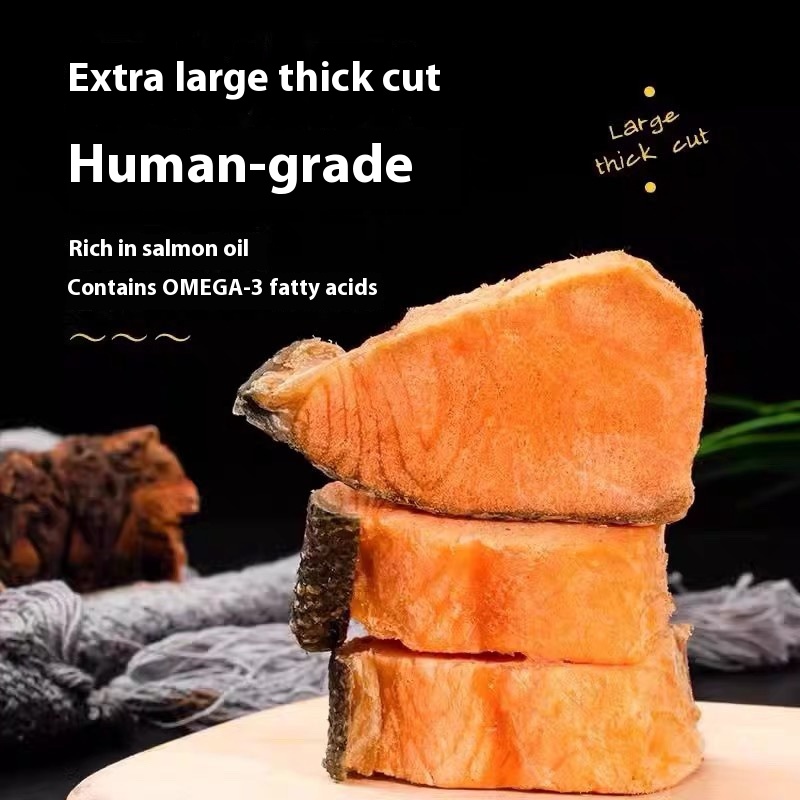
Freeze-dried salmon block dog treats

“Freeze-dried” shows up on a lot of treat packaging, often next to “dehydrated” and “jerky” as if the three were interchangeable. They’re not, and the difference matters more than it looks — it affects texture, shelf life, and how much of the original nutrition survives processing. For background on keeping any of these fresh once opened, see our treat storage guide; this post focuses on what freeze-drying itself does, using salmon and krill treats as concrete examples.

What Freeze-Drying Actually Does

Freeze-drying removes moisture by freezing the food solid, then using a vacuum to let the ice sublimate directly into vapor — skipping the liquid stage entirely. Because the process happens at low temperature rather than with sustained heat, it preserves more of the original protein structure, flavor, and nutrients than heat-based dehydrating does. The tradeoff is texture: freeze-dried treats are light, brittle, and airy rather than chewy, since the process leaves the original cell structure mostly intact but empty of moisture.

Salmon-Based Treats for Dogs

A freeze-dried salmon block is typically a single-ingredient treat — just salmon, with nothing added. That matters for two practical reasons: it’s an easier option for dogs with food sensitivities where a long ingredient list is a liability, and the fish retains its natural oil content, which is where most of the omega-3 fatty acids live. A large, thick-cut block also does double duty as a longer-lasting chew rather than a treat that disappears in one bite.

Krill-Based Treats for Cats

Krill shows up less often than salmon or tuna in cat treats, but it has a strong reputation for palatability — cats tend to respond to its stronger, more concentrated scent even in small pieces. Freeze-dried krill treats are a useful option for cats who turn their nose up at milder fish or poultry treats, and like salmon, krill carries a meaningful amount of omega-3s in its natural oils.

Freeze-Dried vs. Dehydrated vs. Jerky

Type Process Texture Shelf Life (unopened)
Freeze-dried Frozen, then moisture removed via vacuum Light, crisp, brittle Longest — often a year or more
Dehydrated Low, sustained heat over several hours Chewy, leathery Long, but shorter than freeze-dried
Jerky Heat-dried, sometimes with added marinade/seasoning Firm, chewy Moderate — depends on added ingredients

How to Introduce a New Freeze-Dried Treat

Because freeze-dried treats are often single-ingredient and calorie-dense relative to their size, start with a smaller piece than you’d expect, especially for a small dog or cat trying it for the first time. Watch for the usual signs of a new-food reaction — loose stool or excessive scratching — over the following day or two, the same as introducing any new protein source. For general criteria on picking treats beyond format, see our healthy treats guide.

Frequently Asked Questions

Do freeze-dried treats need to be rehydrated before serving?
No, they’re meant to be fed as-is. Some owners soften pieces in warm water for very young, senior, or dental-sensitive pets, but it isn’t required.

Are freeze-dried treats more expensive than other treat types?
Often yes, since the process is slower and more energy-intensive than simple dehydrating. The tradeoff is a single-ingredient product with less processing and a longer shelf life.

Can freeze-dried salmon or krill treats replace a meal?
No — they’re treats, not a balanced meal replacement, and should stay a supplement to a complete diet rather than a substitute for one.

Posted on 3 Comments

How to Store Dog and Cat Treats So They Stay Fresh

Freeze-dried Antarctic krill cat treats

Freeze-dried and dehydrated treats last a long time compared to soft treats, but “long shelf life” isn’t the same as “stays fresh no matter how you store it.” How you store treats after opening the bag has a bigger effect on texture and smell than most people expect, especially for freeze-dried products, which are prized specifically for their crisp texture.

Why Freeze-Dried Treats Lose Quality Faster Than You’d Think

Freeze-drying removes almost all moisture, which is what gives products like freeze-dried krill or a freeze-dried salmon block their light, crisp texture. That same low-moisture structure is porous, though, which means it readily reabsorbs moisture from the air once the bag is opened. Left in a humid kitchen or a bag that isn’t sealed well, a freeze-dried treat can go from crisp to noticeably chewy or soft within days.

Storage Rules That Actually Matter

  • Squeeze the air out before sealing — more than the type of container, minimizing air exposure each time you reseal the bag is the single biggest factor in keeping texture consistent.
  • Keep them out of direct sunlight and away from the stove — heat speeds up oxidation, which affects both smell and, over time, the fat content in protein-based treats like salmon or krill.
  • Don’t refrigerate freeze-dried treats — this one surprises people, but a fridge is a humid environment; opening and closing the door introduces moisture that can undo the point of freeze-drying. Room temperature, sealed, is correct for these.
  • Plant-based treats behave differentlycat grass treats are less moisture-sensitive than protein-based freeze-dried treats, but still do best resealed tightly and kept somewhere cool rather than near a sunny window.
  • Chews are the exceptionmilk-based calcium chew sticks are a denser, lower-moisture product to begin with and are more forgiving of storage conditions, though keeping them sealed still helps prevent them from picking up odors from other food in the pantry.

How to Tell a Treat Has Gone Stale

For freeze-dried treats specifically, texture is the clearest signal — a piece that used to snap cleanly and now bends or feels slightly leathery has picked up moisture and is past its best texture, even if it’s still within any printed date range. A change in smell, especially anything sour or off compared to when the bag was fresh, is a sign to stop feeding that batch regardless of texture.

Storage Comparison

Treat Type Main Risk Best Storage
Freeze-dried protein (krill, salmon) Reabsorbing moisture, going soft Airtight, room temperature, out of sunlight — never the fridge
Cat grass treats Losing crispness over time Resealed tightly, cool spot, out of direct sun
Milk-based chew sticks Picking up pantry odors Sealed container, away from strong-smelling foods

A Simple Habit That Solves Most of This

Buying a smaller pack size that gets used up in a few weeks, rather than a large bag that sits open for months, sidesteps most storage problems entirely — freshness only becomes an issue once a bag has been opened and resealed many times over an extended period. If you’re deciding between which treats to buy in the first place, our guide to choosing healthy treats covers how to pick based on your dog or cat’s needs.

Frequently Asked Questions

Can I freeze treats to make them last longer?
Freezing isn’t necessary for freeze-dried products and can introduce condensation when thawing, which works against the low-moisture texture you’re trying to preserve. Room-temperature, airtight storage is simpler and works better.

Is it safe to feed a treat that’s gone a bit soft but doesn’t smell off?
Texture alone (without any off smell) is usually a quality issue rather than a safety one, but if you’re ever unsure, it’s better to stop feeding that batch and check with your vet if your pet shows any digestive upset.

Do resealable bags work as well as a separate airtight container?
A good resealable bag with the air pressed out works fine for most people; a rigid airtight container is only meaningfully better if the original bag’s seal has become unreliable from repeated use.

Posted on Leave a comment

How to Choose Healthy Treats for Your Dog or Cat

Freeze-dried salmon block dog treats

Walk down any pet store treat aisle and you’ll find freeze-dried meat, chew sticks, dental treats, and little cans of grass, all competing for the same job: giving your dog or cat something good between meals. The trouble is that “treat” covers a lot of very different products, and what works for a five-minute training session is not what you’d hand a dog to chew on for twenty minutes, or what an indoor cat needs for enrichment. Here’s a practical look at the treat types actually in PawNest’s catalog, what each one is genuinely good for, and how to keep treating from turning into overfeeding.

Why the Type of Treat Matters

Treats aren’t a meal replacement, and this matters more than it sounds: because PawNest doesn’t sell everyday pet food, everything on this list is meant to supplement a diet your pet is already eating, not to make one up. A commonly cited general guideline is to keep treats to around 10% or less of a pet’s daily calorie intake, with the rest coming from a complete, balanced diet. Beyond the amount, the type of treat also matters — a fast-eaten kibble-style treat serves a different purpose than a chew that takes real time to work through, and neither is automatically “better,” just suited to a different moment in your pet’s day.

If your dog or cat has a diagnosed health condition, allergies, or is on a prescription diet, it’s worth checking with your vet before adding a new treat type, especially anything chewy or high-protein like freeze-dried meat.

Freeze-Dried Treats: High-Value Rewards for Training and Bonding

Freeze-drying removes moisture from raw or cooked ingredients without cooking them down the way baking or dehydrating does, which is why freeze-dried treats tend to have a concentrated smell and flavor and a light, brittle texture that’s easy to snap into smaller pieces. That makes them well suited to training, where you want a strong, fast reward you can portion into many small pieces rather than a few big bites.

  • Freeze-Dried Salmon Block Dog Treats — a single-protein block you break into pieces by hand, useful for owners who want to control portion size precisely during training or as an occasional high-value reward.
  • Freeze-Dried Cat Treats — Antarctic Krill — a single-ingredient option for cats, which can be a reasonable starting point if you’re trying to identify whether your cat reacts to a specific protein, since there’s nothing else mixed in.

Because freeze-dried treats are shelf-stable rather than refrigerated, keep them in a sealed, airtight container after opening — moisture in the air is what eventually turns them soft and shortens their usable life, not spoilage in the way you’d worry about with raw meat.

Chew Sticks: Something to Work On, Not Wolf Down

Chew sticks solve a different problem than training treats: they’re meant to occupy a dog for a stretch of time rather than disappear in one bite. The Chicken-Flavored Milk Chew Sticks for Dogs are a milk-based chew with a slower consumption pace than a soft treat, which makes them a reasonable option for settling a dog during a quiet evening or crate time, rather than something to hand out repeatedly during a training session.

A few practical points with any chew stick: size it to your dog — a chew that’s too small for a large, motivated chewer can be swallowed in dangerously large pieces, and supervise the first few times you offer a new chew so you know how your specific dog handles it. If a chew starts to break into sharp shards or gets small enough to swallow whole, take it away.

Cat Grass: Enrichment, Not a Meal

Cat grass isn’t a treat in the caloric sense — it’s closer to enrichment. Many indoor cats are drawn to chewing on grass-like plants, and a dedicated, pet-safe option like the Soil-Free Cat Grass Treats — 3-Can Pack gives cats something appropriate to graze on instead of reaching for houseplants, some of which can be genuinely toxic to cats. It’s grown without soil, so there’s less mess than a traditional grown-at-home tray.

Introduce cat grass gradually rather than leaving a full tray out on day one — a cat that overindulges on any new plant material can have a temporary upset stomach, the same as with any new food introduced too quickly. If your cat shows ongoing vomiting or diarrhea after eating anything new, including cat grass, that’s worth a call to your vet rather than something to troubleshoot at home.

Matching the Treat to the Moment

  • Training sessions: freeze-dried treats broken into pea-sized or smaller pieces, so you can reward frequently without overfeeding.
  • Settling a dog for quiet time: a chew stick sized appropriately for your dog’s chewing strength.
  • Indoor cat enrichment: cat grass, offered in small amounts alongside play, not as a substitute for it.
  • Multi-pet households: keep treats separated by pet where possible, especially single-ingredient options, so you can tell quickly if one pet reacts to something new.

Ground Rules for Treating Safely

  • Introduce one new treat at a time and watch for a few days before adding another, so you can identify the cause if your pet reacts poorly.
  • Keep treats to a modest share of total daily intake — they should supplement your pet’s regular diet, not replace part of it.
  • Match chew size and hardness to your individual dog’s chewing style and supervise new chews the first several times.
  • Store freeze-dried treats in an airtight container away from humidity once opened.
  • Check with your vet before introducing new treats to a pet with a known health condition, food sensitivity, or prescription diet.

FAQ

Are freeze-dried treats safe for puppies and kittens?

Freeze-dried single-protein treats are generally easy to break into very small pieces, which can suit young pets, but any new treat should be introduced in small amounts first. If you’re unsure what’s appropriate for your puppy or kitten’s age and size, ask your vet.

How many treats is too many?

There’s no single number that fits every pet, since it depends on size, activity level, and diet — but the general guideline of keeping treats to a small share of daily calories is a reasonable starting point, and your vet can help you set a more specific limit for your pet.

Is cat grass the same thing as catnip?

No. Catnip is an herb that triggers a temporary excitement or euphoria response in many cats. Cat grass is a grass-like plant cats chew on and doesn’t produce that same reaction — it’s more about satisfying a chewing or grazing instinct.

Can dogs and cats share the same treats?

Not automatically. Portion size, texture, and ingredients suited to a dog aren’t always appropriate for a cat and vice versa — stick to treats made for the species you’re feeding, like the dog-specific and cat-specific options above.

Rounding It Out

None of these treat types are a substitute for a good diet or for actual attention and play — they’re a supplement to both. A few freeze-dried pieces during a training session, a chew stick for a quiet evening, and a little cat grass for an indoor cat’s enrichment routine can each fill a real gap, as long as they stay a small part of your pet’s day rather than the main event.

You can see the full range in PawNest’s dog treats and cat treats categories if you want to compare options side by side.

Related Articles