
Walk down any pet store treat aisle and you’ll find freeze-dried meat, chew sticks, dental treats, and little cans of grass, all competing for the same job: giving your dog or cat something good between meals. The trouble is that “treat” covers a lot of very different products, and what works for a five-minute training session is not what you’d hand a dog to chew on for twenty minutes, or what an indoor cat needs for enrichment. Here’s a practical look at the treat types actually in PawNest’s catalog, what each one is genuinely good for, and how to keep treating from turning into overfeeding.
Why the Type of Treat Matters
Treats aren’t a meal replacement, and this matters more than it sounds: because PawNest doesn’t sell everyday pet food, everything on this list is meant to supplement a diet your pet is already eating, not to make one up. A commonly cited general guideline is to keep treats to around 10% or less of a pet’s daily calorie intake, with the rest coming from a complete, balanced diet. Beyond the amount, the type of treat also matters — a fast-eaten kibble-style treat serves a different purpose than a chew that takes real time to work through, and neither is automatically “better,” just suited to a different moment in your pet’s day.
If your dog or cat has a diagnosed health condition, allergies, or is on a prescription diet, it’s worth checking with your vet before adding a new treat type, especially anything chewy or high-protein like freeze-dried meat.
Freeze-Dried Treats: High-Value Rewards for Training and Bonding
Freeze-drying removes moisture from raw or cooked ingredients without cooking them down the way baking or dehydrating does, which is why freeze-dried treats tend to have a concentrated smell and flavor and a light, brittle texture that’s easy to snap into smaller pieces. That makes them well suited to training, where you want a strong, fast reward you can portion into many small pieces rather than a few big bites.
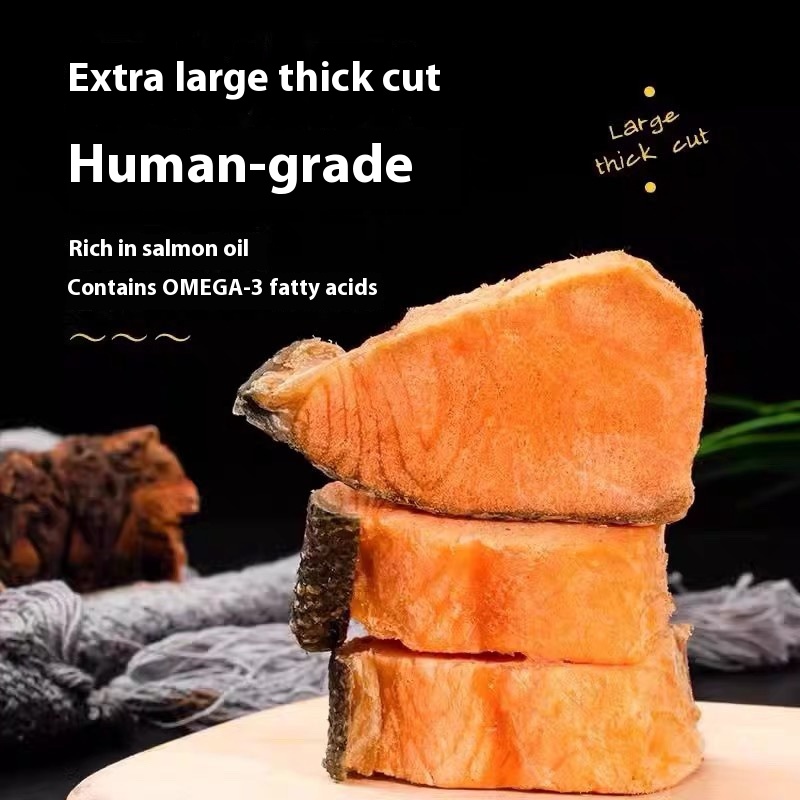
- Freeze-Dried Salmon Block Dog Treats — a single-protein block you break into pieces by hand, useful for owners who want to control portion size precisely during training or as an occasional high-value reward.
- Freeze-Dried Cat Treats — Antarctic Krill — a single-ingredient option for cats, which can be a reasonable starting point if you’re trying to identify whether your cat reacts to a specific protein, since there’s nothing else mixed in.
Because freeze-dried treats are shelf-stable rather than refrigerated, keep them in a sealed, airtight container after opening — moisture in the air is what eventually turns them soft and shortens their usable life, not spoilage in the way you’d worry about with raw meat.
Chew Sticks: Something to Work On, Not Wolf Down
Chew sticks solve a different problem than training treats: they’re meant to occupy a dog for a stretch of time rather than disappear in one bite. The Chicken-Flavored Milk Chew Sticks for Dogs are a milk-based chew with a slower consumption pace than a soft treat, which makes them a reasonable option for settling a dog during a quiet evening or crate time, rather than something to hand out repeatedly during a training session.
A few practical points with any chew stick: size it to your dog — a chew that’s too small for a large, motivated chewer can be swallowed in dangerously large pieces, and supervise the first few times you offer a new chew so you know how your specific dog handles it. If a chew starts to break into sharp shards or gets small enough to swallow whole, take it away.
Cat Grass: Enrichment, Not a Meal
Cat grass isn’t a treat in the caloric sense — it’s closer to enrichment. Many indoor cats are drawn to chewing on grass-like plants, and a dedicated, pet-safe option like the Soil-Free Cat Grass Treats — 3-Can Pack gives cats something appropriate to graze on instead of reaching for houseplants, some of which can be genuinely toxic to cats. It’s grown without soil, so there’s less mess than a traditional grown-at-home tray.
Introduce cat grass gradually rather than leaving a full tray out on day one — a cat that overindulges on any new plant material can have a temporary upset stomach, the same as with any new food introduced too quickly. If your cat shows ongoing vomiting or diarrhea after eating anything new, including cat grass, that’s worth a call to your vet rather than something to troubleshoot at home.
Matching the Treat to the Moment
- Training sessions: freeze-dried treats broken into pea-sized or smaller pieces, so you can reward frequently without overfeeding.
- Settling a dog for quiet time: a chew stick sized appropriately for your dog’s chewing strength.
- Indoor cat enrichment: cat grass, offered in small amounts alongside play, not as a substitute for it.
- Multi-pet households: keep treats separated by pet where possible, especially single-ingredient options, so you can tell quickly if one pet reacts to something new.
Ground Rules for Treating Safely
- Introduce one new treat at a time and watch for a few days before adding another, so you can identify the cause if your pet reacts poorly.
- Keep treats to a modest share of total daily intake — they should supplement your pet’s regular diet, not replace part of it.
- Match chew size and hardness to your individual dog’s chewing style and supervise new chews the first several times.
- Store freeze-dried treats in an airtight container away from humidity once opened.
- Check with your vet before introducing new treats to a pet with a known health condition, food sensitivity, or prescription diet.
FAQ
Are freeze-dried treats safe for puppies and kittens?
Freeze-dried single-protein treats are generally easy to break into very small pieces, which can suit young pets, but any new treat should be introduced in small amounts first. If you’re unsure what’s appropriate for your puppy or kitten’s age and size, ask your vet.
How many treats is too many?
There’s no single number that fits every pet, since it depends on size, activity level, and diet — but the general guideline of keeping treats to a small share of daily calories is a reasonable starting point, and your vet can help you set a more specific limit for your pet.
Is cat grass the same thing as catnip?
No. Catnip is an herb that triggers a temporary excitement or euphoria response in many cats. Cat grass is a grass-like plant cats chew on and doesn’t produce that same reaction — it’s more about satisfying a chewing or grazing instinct.
Can dogs and cats share the same treats?
Not automatically. Portion size, texture, and ingredients suited to a dog aren’t always appropriate for a cat and vice versa — stick to treats made for the species you’re feeding, like the dog-specific and cat-specific options above.
Rounding It Out
None of these treat types are a substitute for a good diet or for actual attention and play — they’re a supplement to both. A few freeze-dried pieces during a training session, a chew stick for a quiet evening, and a little cat grass for an indoor cat’s enrichment routine can each fill a real gap, as long as they stay a small part of your pet’s day rather than the main event.
You can see the full range in PawNest’s dog treats and cat treats categories if you want to compare options side by side.