
Litter training a kitten is usually far less work than new owners expect. Kittens are born with a strong natural instinct to dig and bury waste — your job is mostly to set up the right conditions and stay consistent while that instinct kicks in.
Most Kittens Take to the Litter Box Naturally
Unlike housetraining a puppy, kittens don’t need to be taught the concept of using a designated spot — they need to be shown where it is and given a setup that doesn’t get in their way. Most of the actual “training” is really about removing obstacles: a box that’s too big, litter that’s uncomfortable underfoot, or a location the kitten can’t easily find.
Choosing a Kitten-Appropriate Box
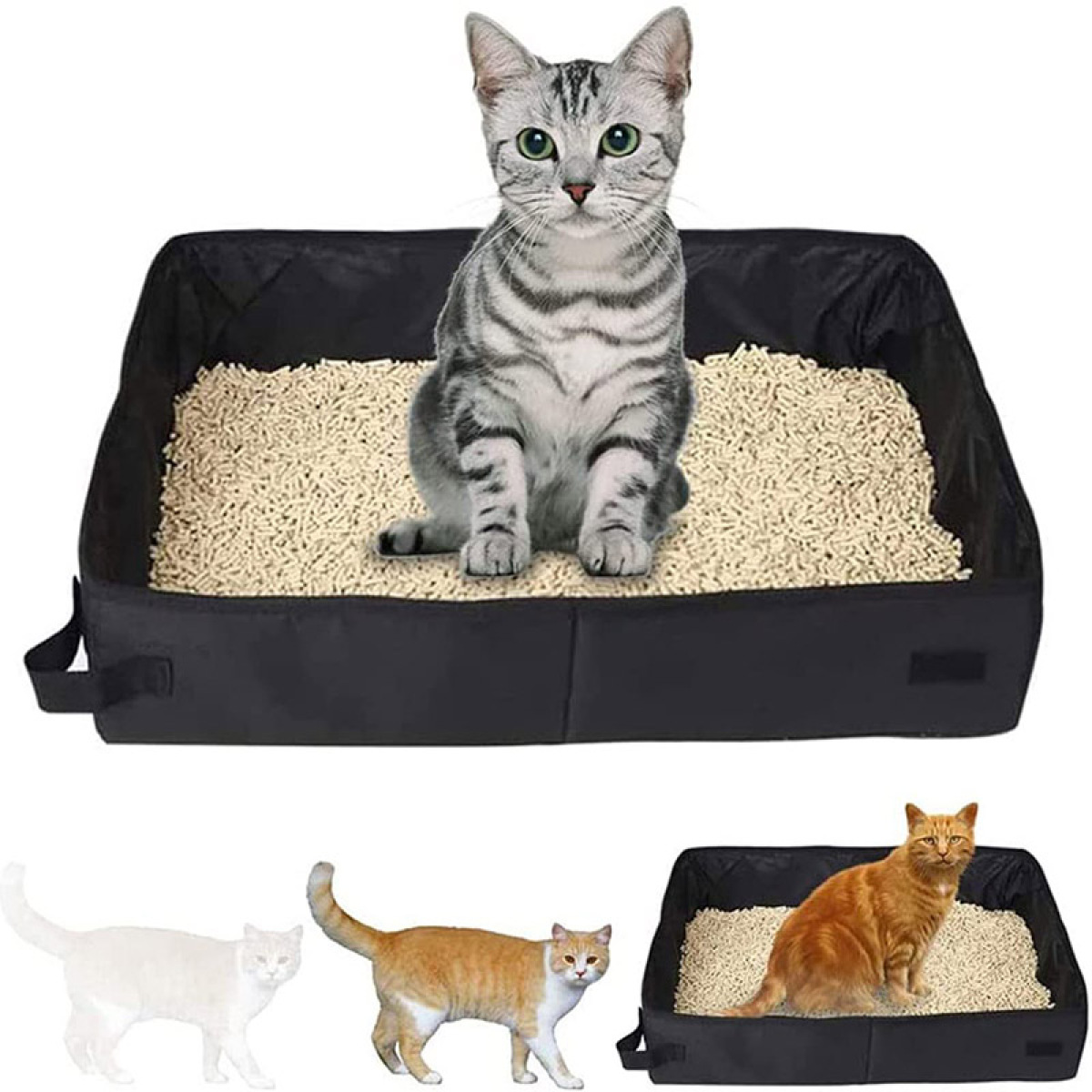
A standard adult-sized litter box can be genuinely hard for a very young kitten to climb into. Low, easy-entry sides matter more than overall capacity at this stage. Our foldable portable litter box ($27.99) works well as a low-entry starter box thanks to its soft, low-sided design — and because it folds flat, it doubles as a backup or travel box later, which is covered in our guide to how many litter boxes you actually need. As your kitten grows, plan to size up to a larger box that gives them room to turn around and dig comfortably.
Litter Type and Depth for Kittens
Very young kittens explore with their mouths, and clumping litter can be a genuine ingestion concern if swallowed during grooming or play. A common, widely-recommended approach is to use a non-clumping litter until a kitten is a few months old, then transition to whatever litter type your household prefers. Keep the layer shallow at first — about an inch is usually enough for a kitten to dig in without feeling like they’re wading through it.
Where to Place the Box
Put the box somewhere quiet and easy to reach, away from the kitten’s food and water and away from loud appliances that could startle them mid-use. A location that requires navigating stairs or squeezing through a narrow gap is a common, avoidable reason kittens have accidents nearby instead of inside the box.
A Simple Step-by-Step Introduction Process
- Start small. Confine your kitten to one room for the first few days with the litter box, food, water, and bed clearly separated.
- Place them in the box after key moments — waking up from a nap and finishing a meal are the two times kittens are most likely to need to go.
- Let them dig and sniff on their own. Avoid physically moving their paws to “show” them — the instinct to dig is already there.
- Praise calmly after they use it, without a big, startling reaction that could make the moment feel stressful.
- Gradually expand their space once they’re reliably using the box in the confined area, keeping the box in a consistent spot as their territory grows.
What to Do About Accidents
Accidents during this period are normal and not a sign of a “bad” kitten. Clean any accident spot thoroughly with an enzymatic cleaner so no lingering scent draws them back to the same wrong spot, and avoid any punishment — it doesn’t teach the right behavior and can make a kitten anxious around you or the box itself. If accidents keep happening in the same confined space despite a clean, accessible box, temporarily shrinking their space again for a few more days often resets the habit.
Adding the Right Cleanup Tools Early
Getting into a simple daily cleaning routine from the start makes the box more inviting and makes problems easier to spot early. A litter scoop with a stand-up base and bag holder ($19.99) keeps scooping quick enough that it actually happens daily, which matters more for a kitten still building the habit than it does for an established adult cat.
When Litter Training Typically “Clicks”
Most kittens are reliably using the box within the first one to two weeks in their new home, especially with a consistent, accessible setup. Some take a bit longer, particularly if they were separated from their mother very early or moved between multiple environments in a short time. Patience and consistency matter more than speed here.
When to Call the Vet
Straining, crying while trying to go, blood in the litter, or accidents that continue well past the first few weeks despite a clean, appropriately-sized, accessible box can point to a medical issue rather than a training one. These situations are worth a vet visit rather than more time and patience.
Frequently Asked Questions
How young can a kitten start using a litter box?
Kittens typically start showing interest in digging and burying behavior around 3–4 weeks old, which is usually well before they come home with a new owner.
Should I use the same box my adult cat already has?
A shared box can work once a kitten is confident, but a separate, low-entry box during the first couple of weeks makes early training easier and avoids any territorial pushback from a resident cat.
My kitten plays in the litter instead of using it. Is that normal?
Yes, this is common early on. Keeping supervised, short visits to the box and a shallow litter depth usually resolves it as the kitten matures.
Do I need a covered box for a kitten?
Not necessarily, and a covered box can actually be harder for a small kitten to enter confidently. An open, low-sided box is generally the easier starting point.
[…] less likely to get skipped. For a full walkthrough of the introduction process itself, see our step-by-step kitten litter training guide. If litter box habits become a problem later, our guide on why cats stop using the litter box […]
[…] grows tends to produce fewer accidents than starting with adult-sized equipment right away. Our step-by-step kitten litter training guide covers the training side of this in more […]